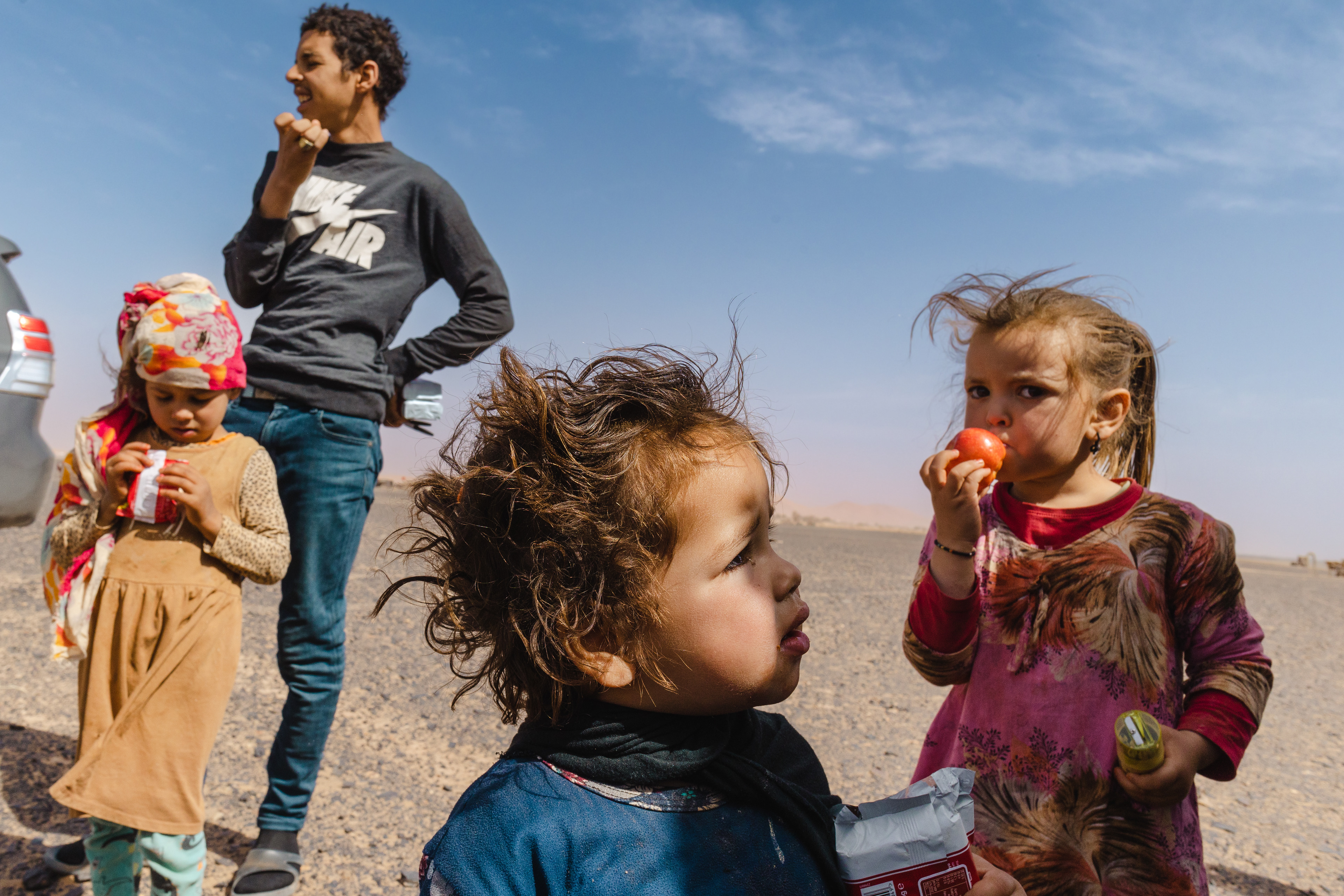
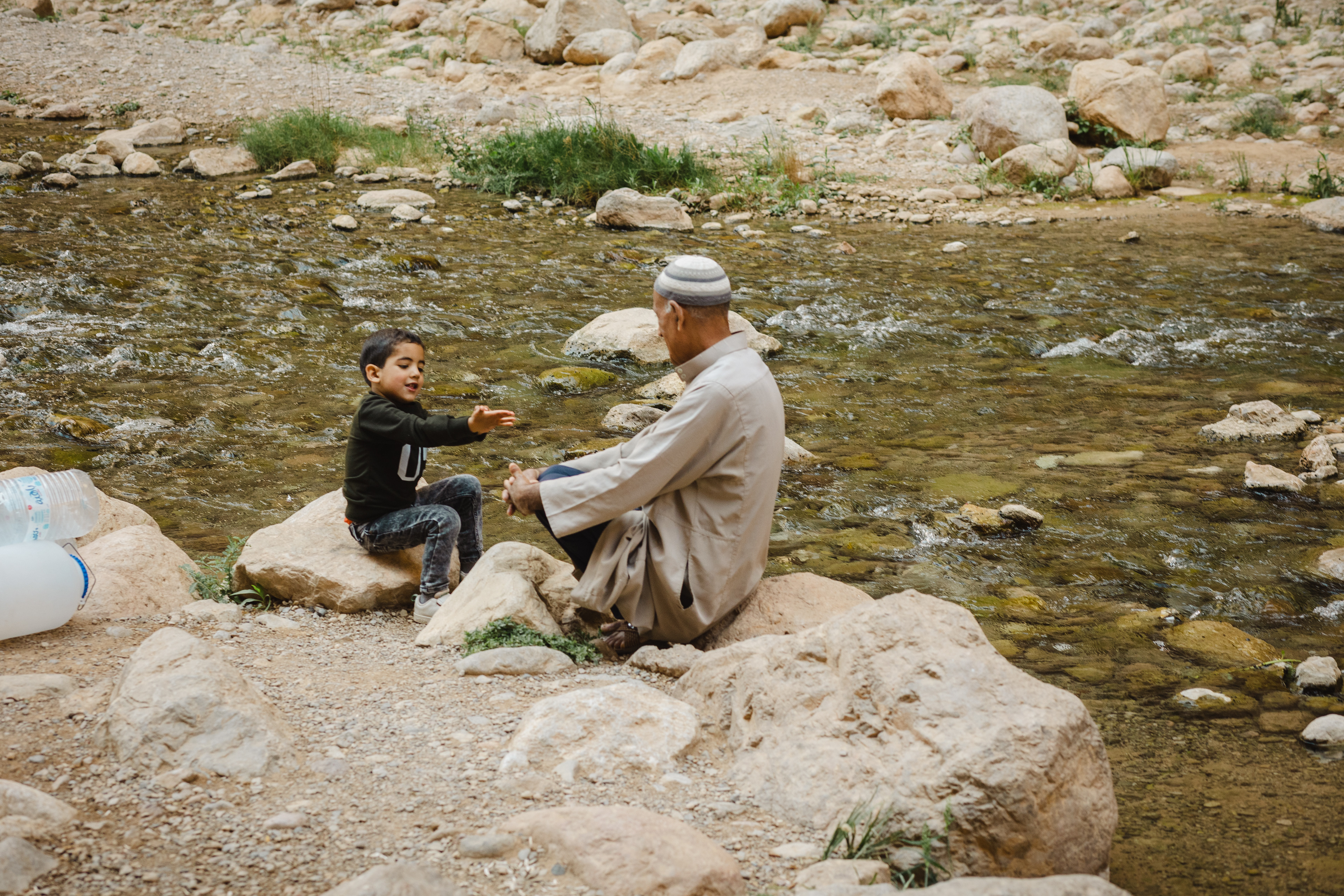
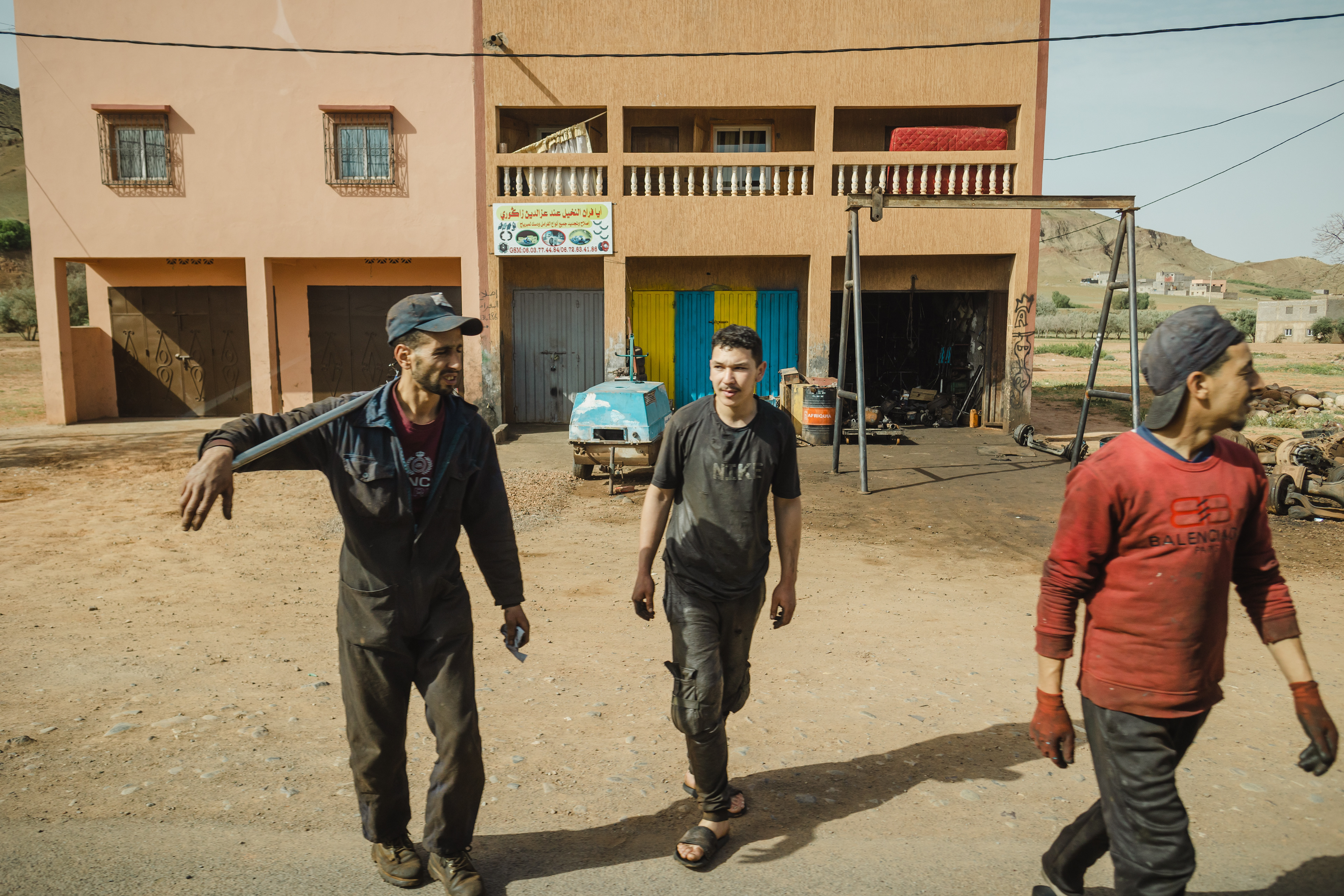
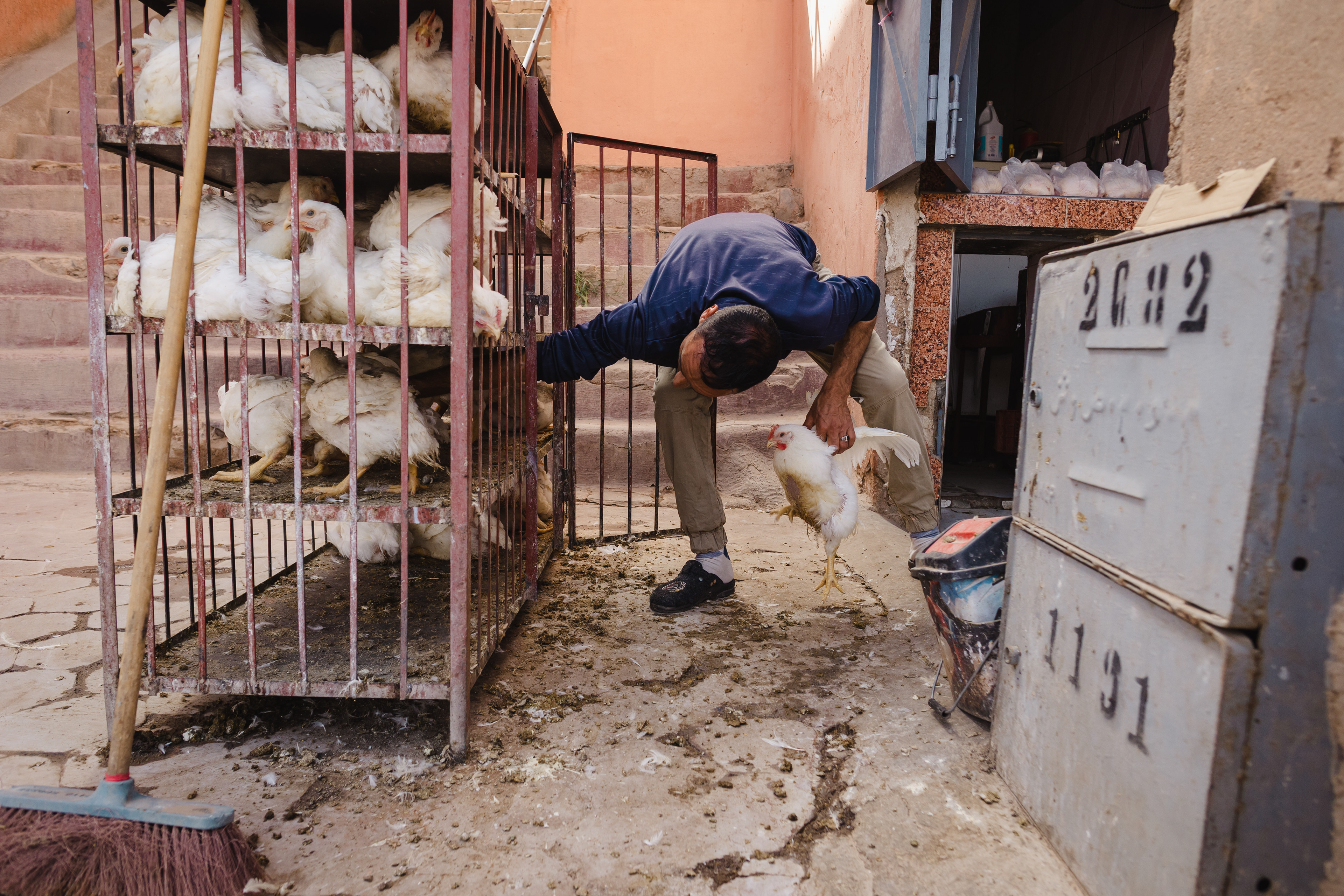
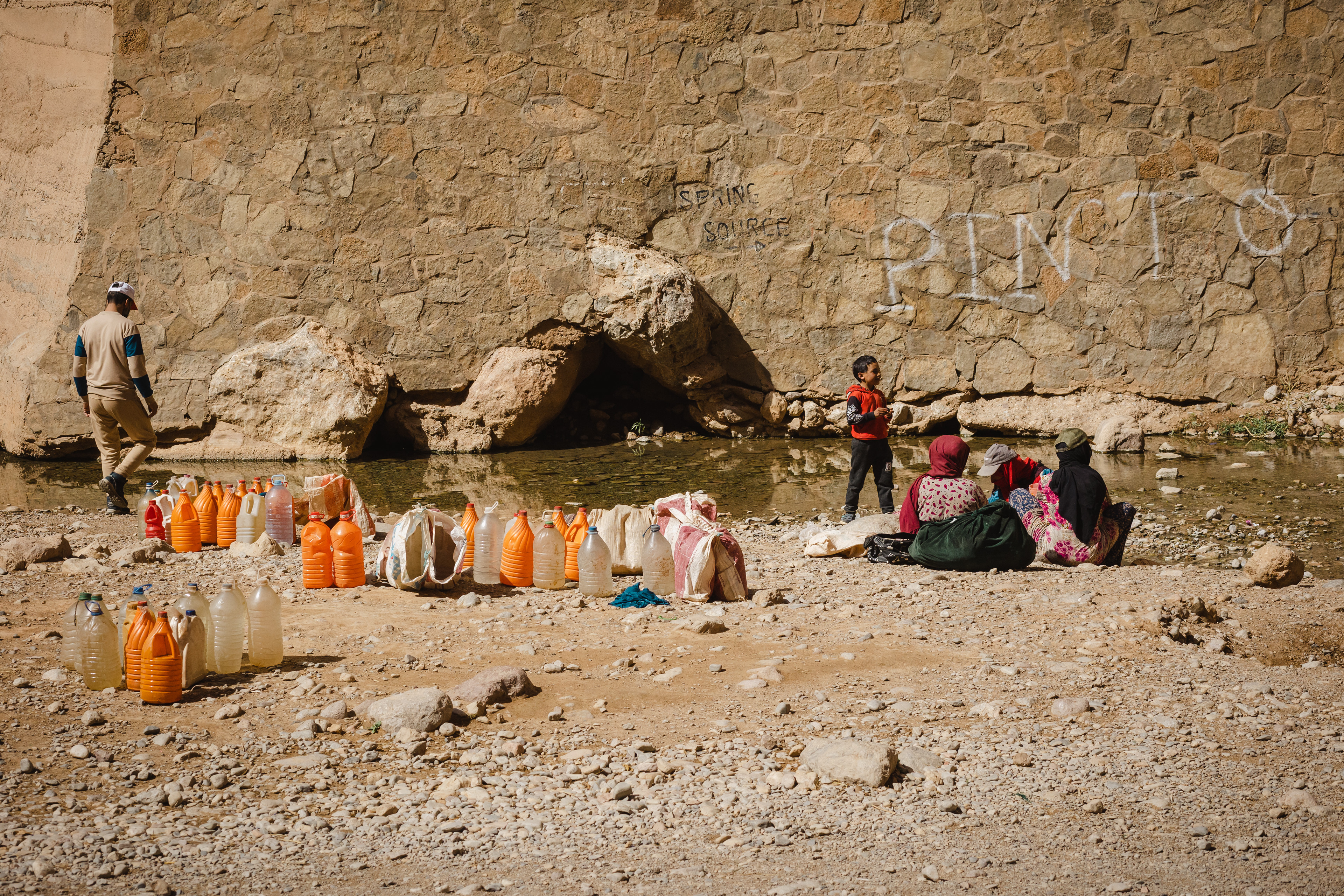
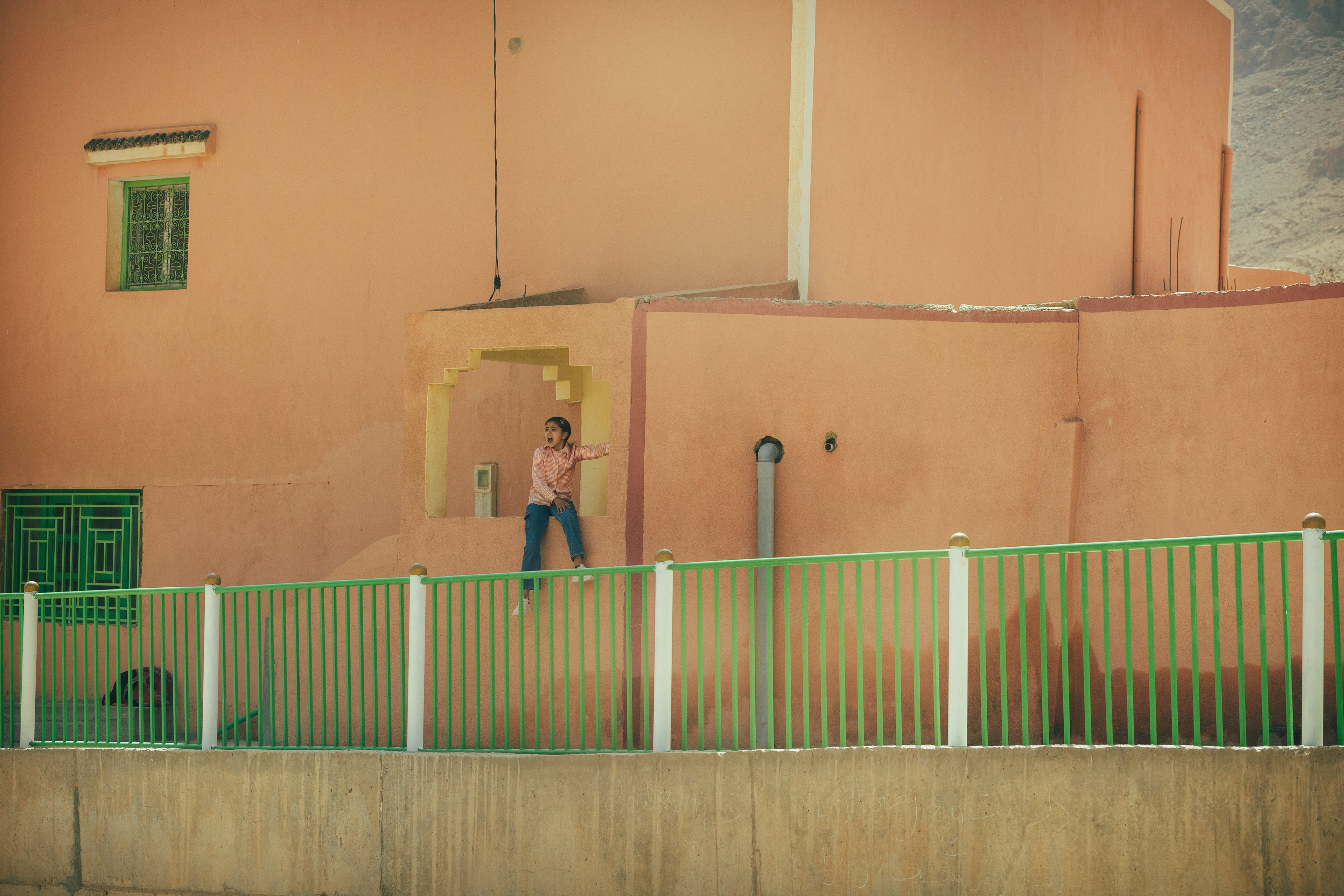
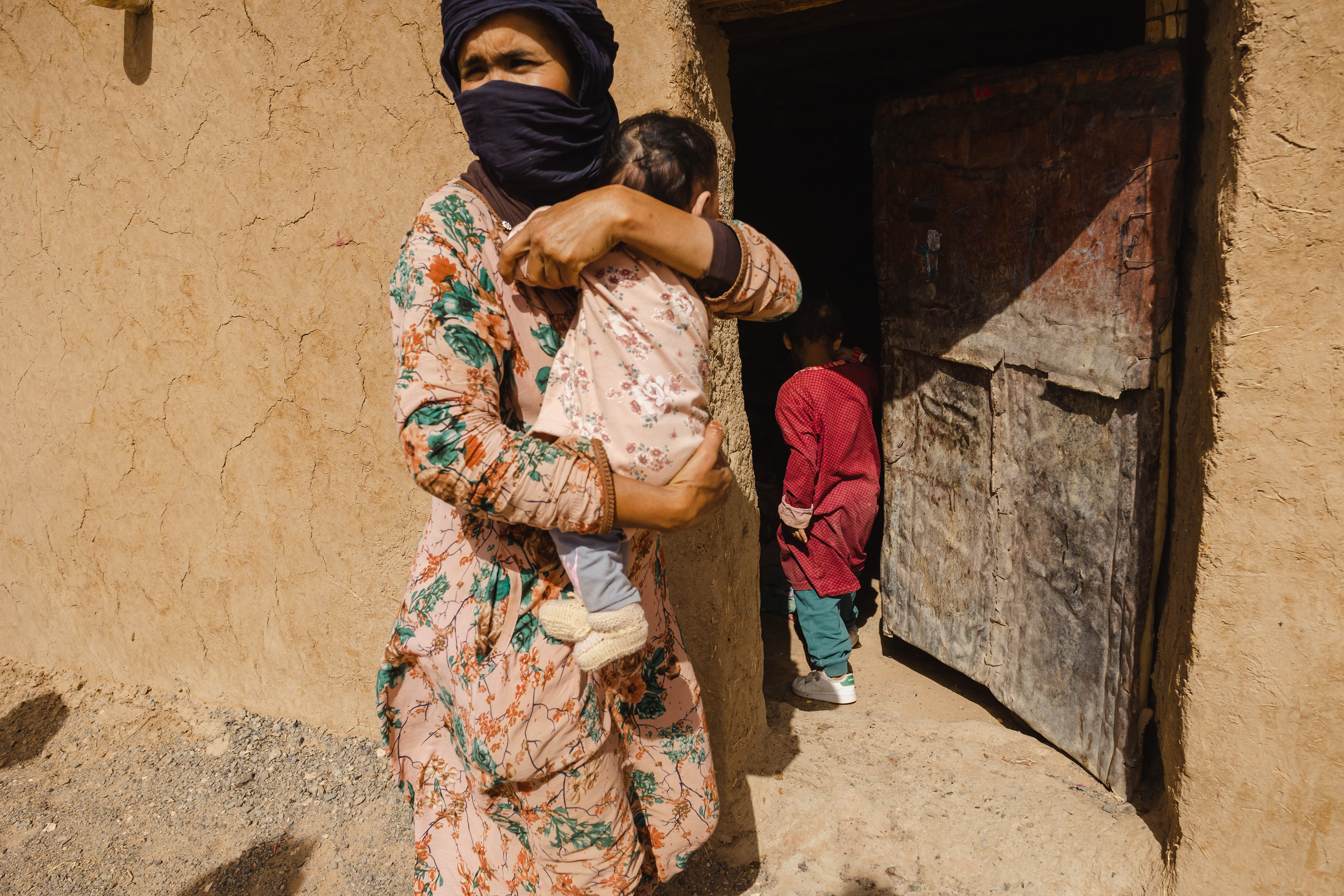
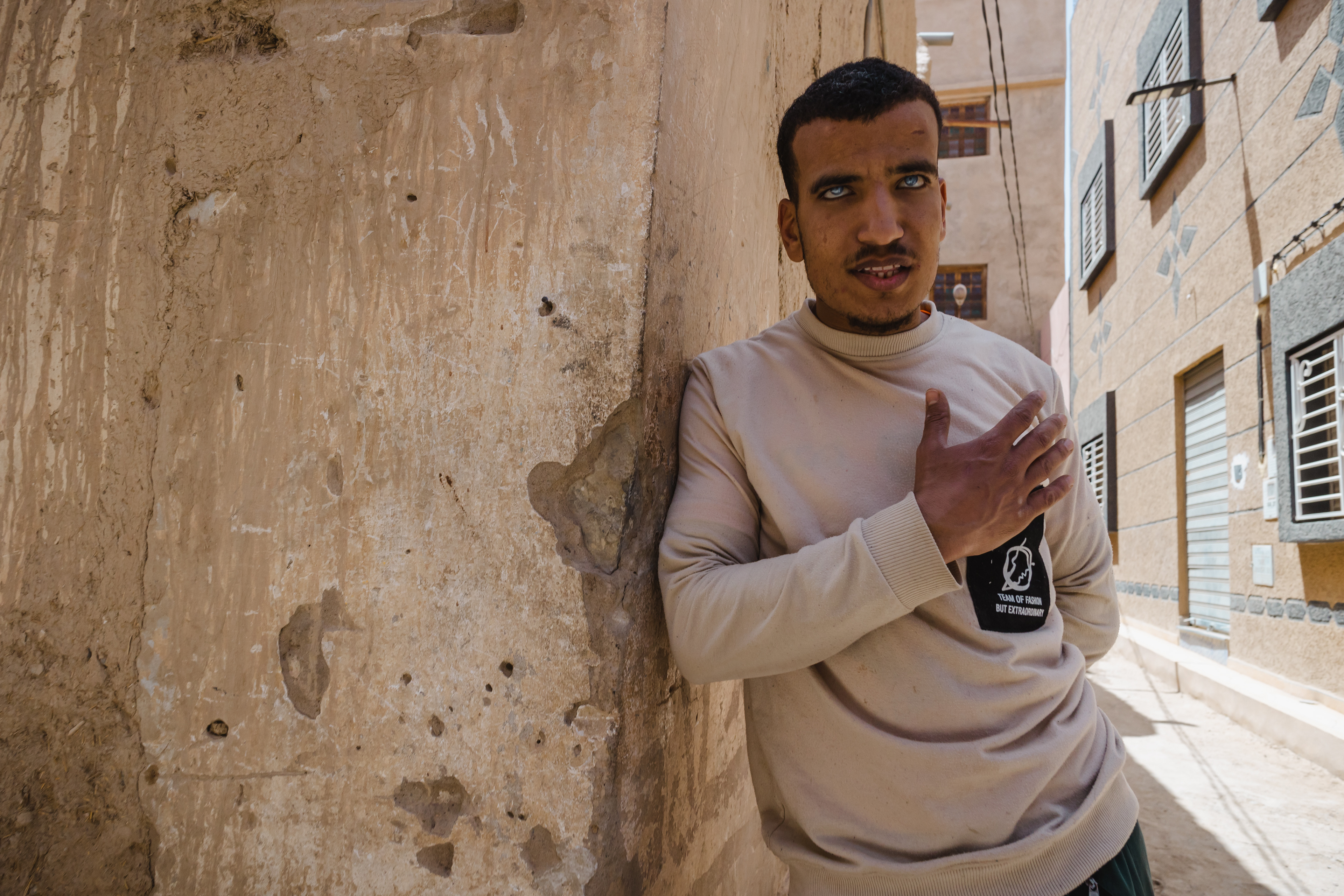
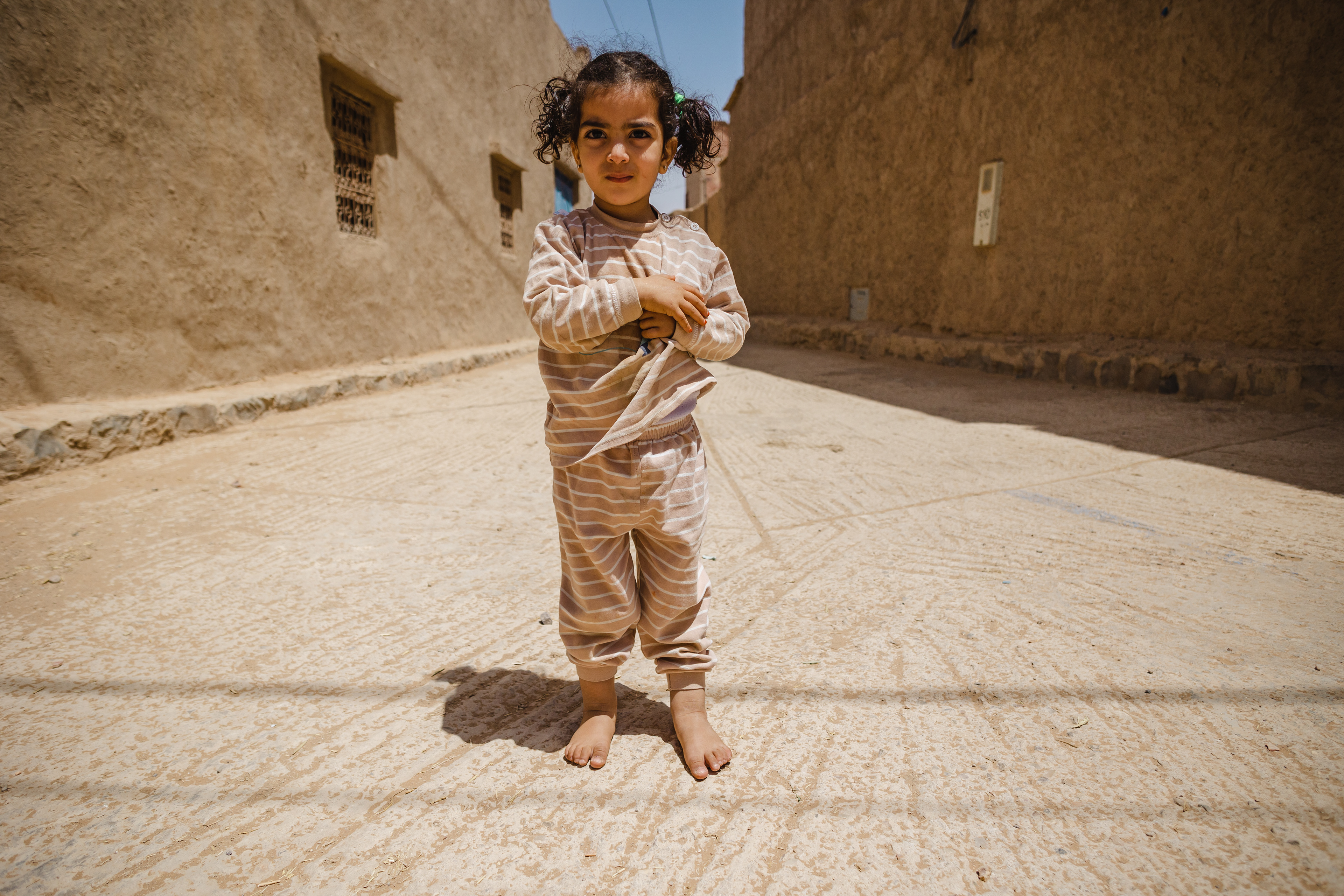
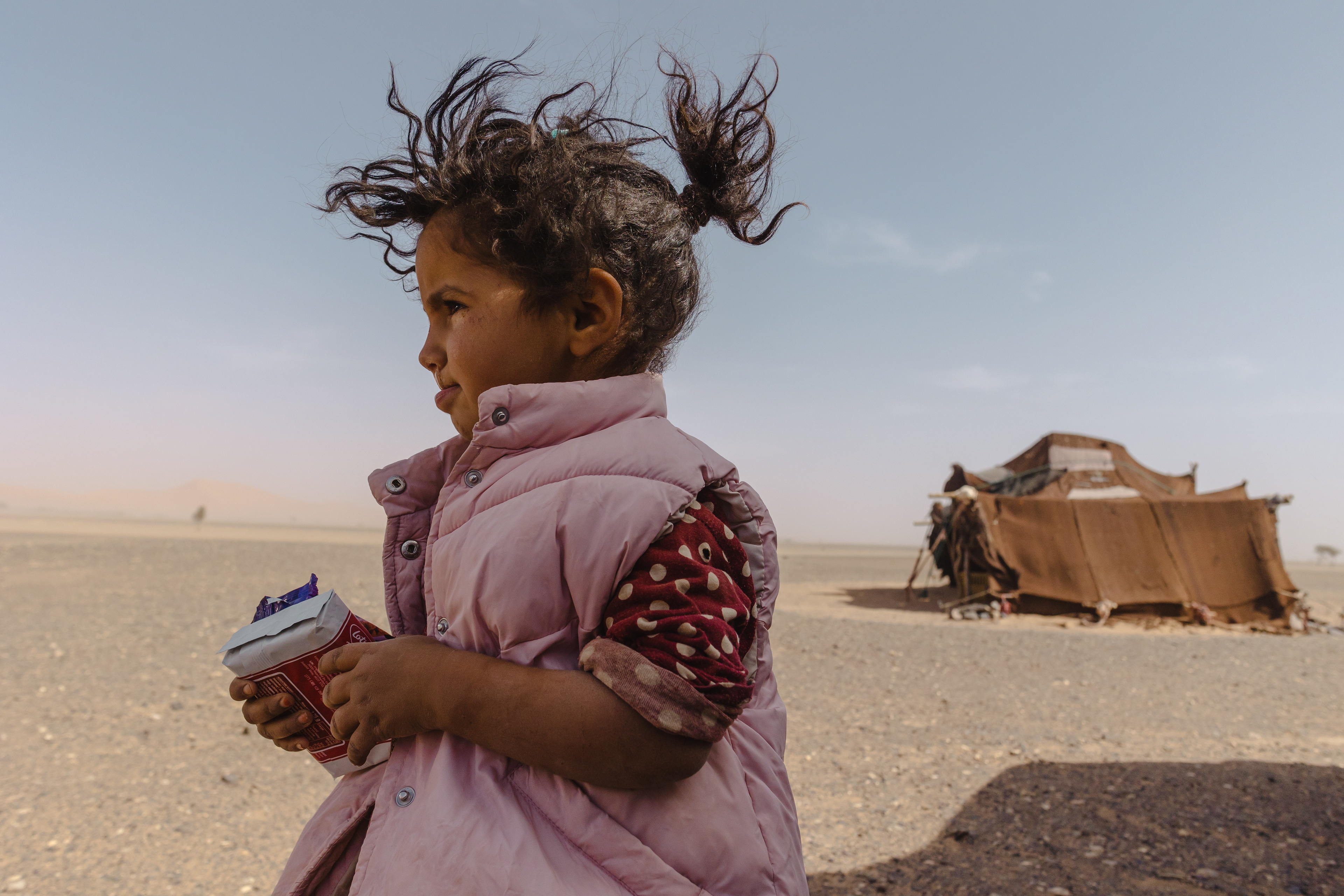
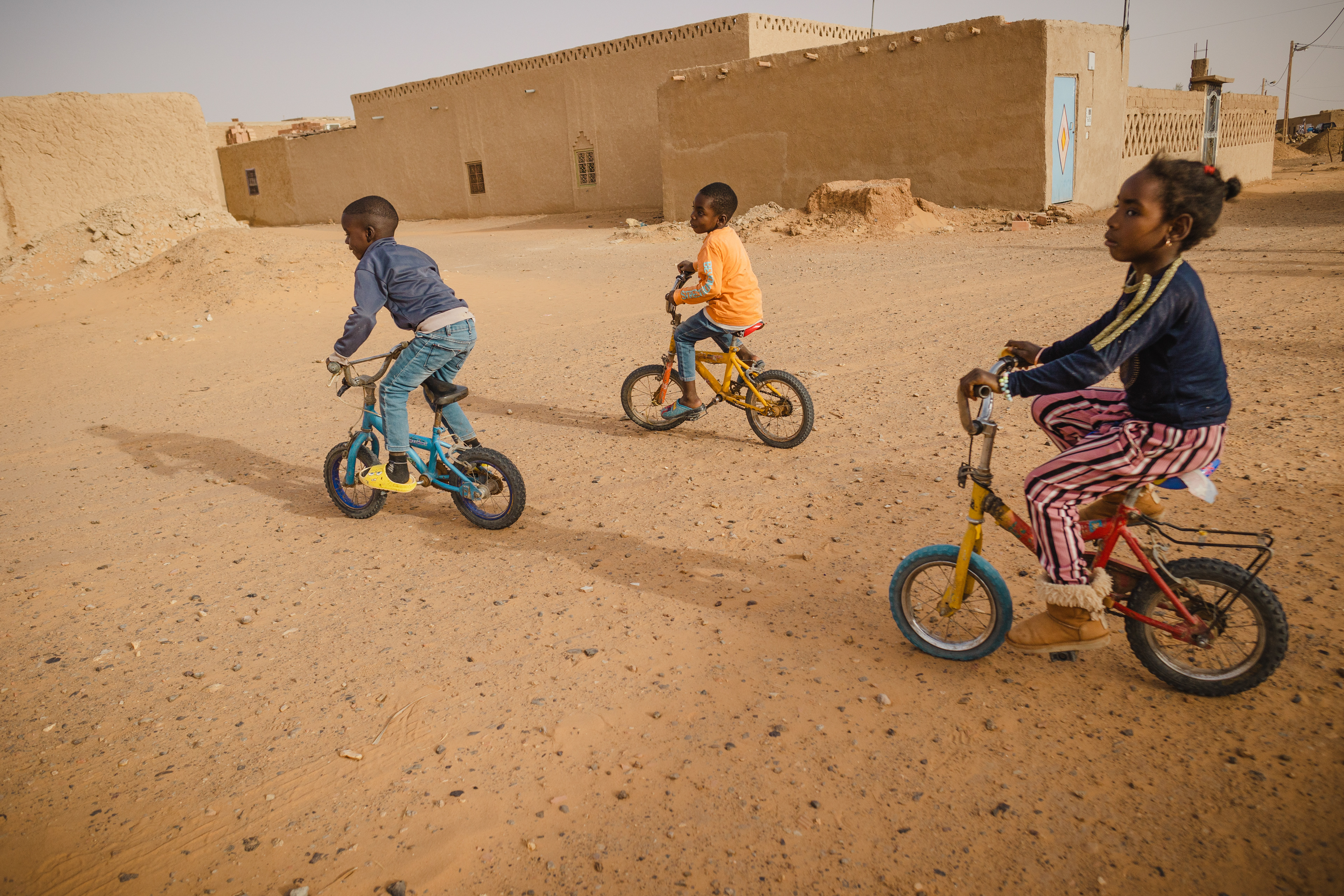
My project aims to respectfully portray the human and cultural richness of one of North Africa’s Indigenous peoples: the Imazighen, commonly known as the Amazigh of Morocco. Across three journeys through Morocco—spanning coastal regions, the Rif mountains, the desert, and the inland territories—I followed routes where tradition and contemporary life intersect. By observing everyday life in rural villages, local markets, and urban centers, the work reflects stories of identity, resilience, and adaptation beyond the perspective of an outside traveler.
In contemporary Morocco, Amazigh language and culture exist within a delicate balance between official recognition, everyday use, and historical memory. After centuries of marginalization linked to processes of Arabization, Tamazight—expressed through several variants such as Tashelhit, Central Tamazight, and Tarifit—is now recognized as an official language and an important marker of cultural belonging.
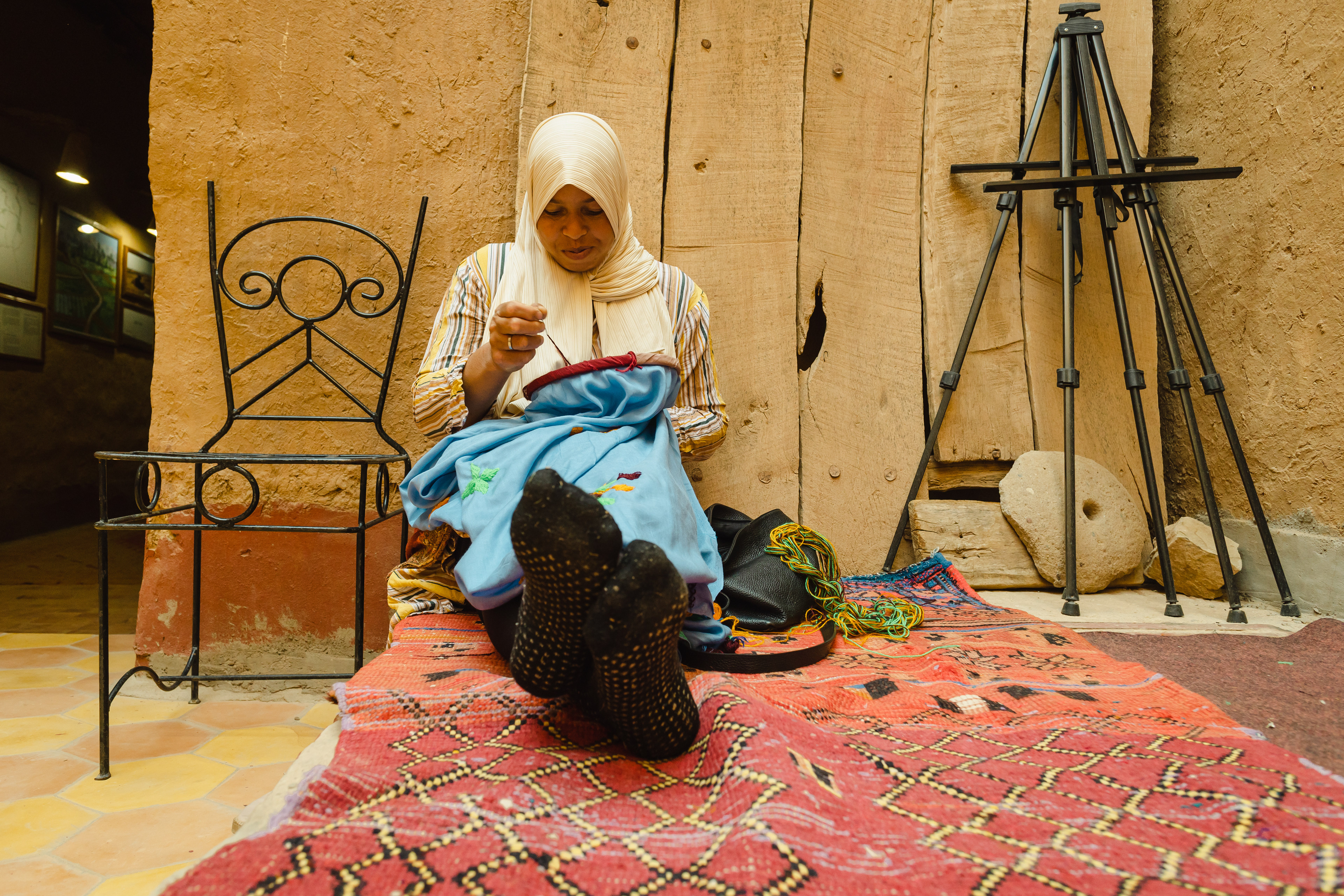
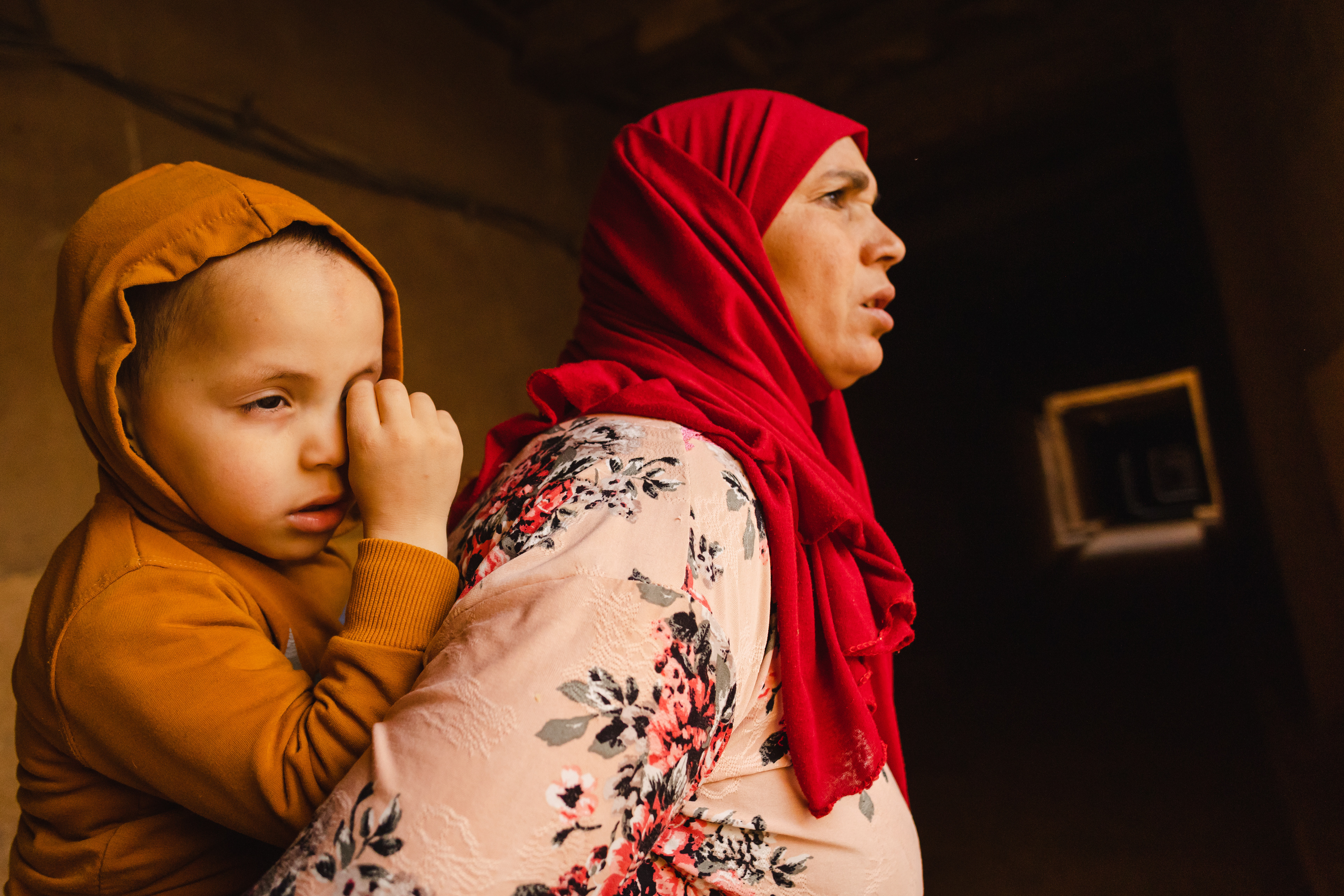
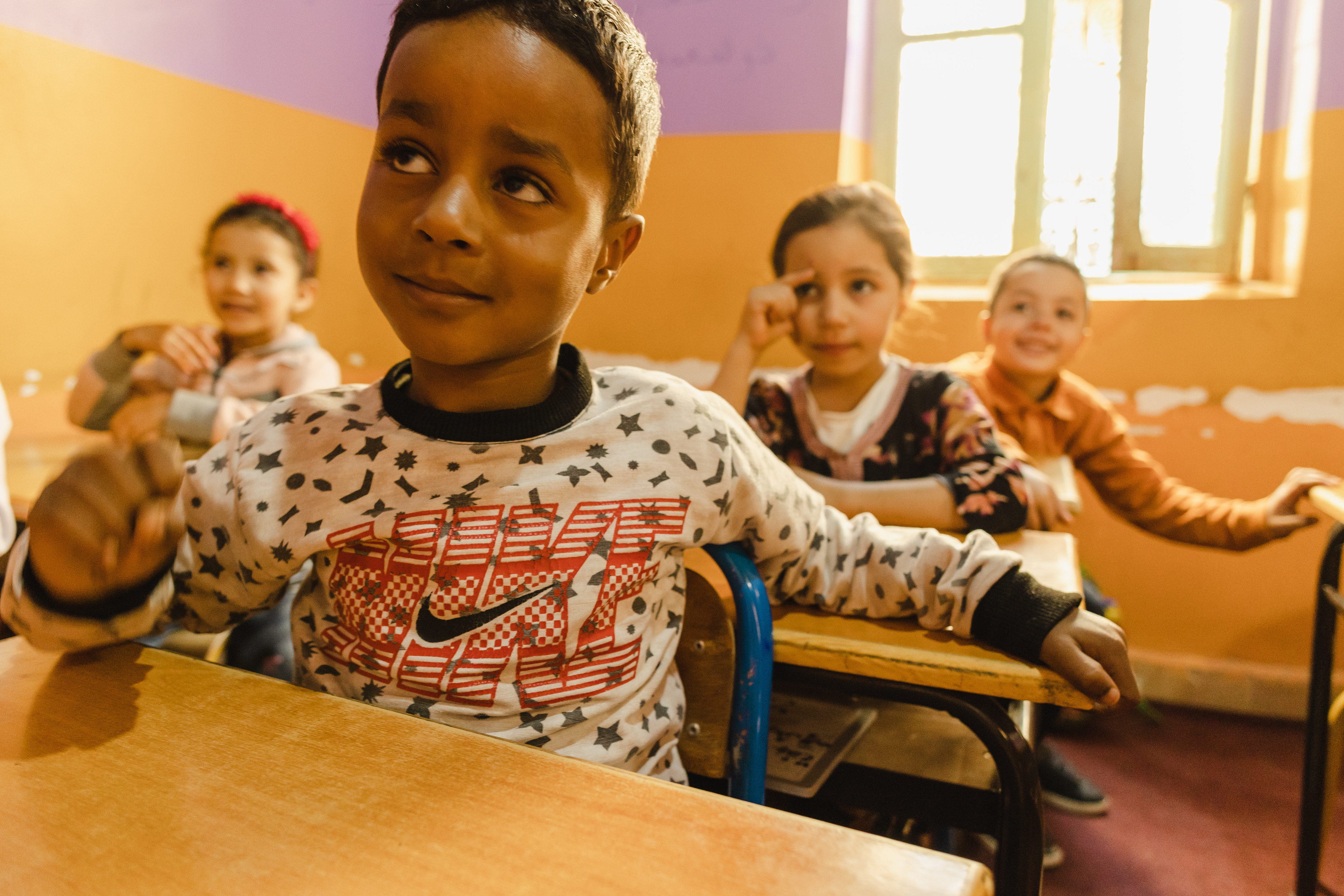
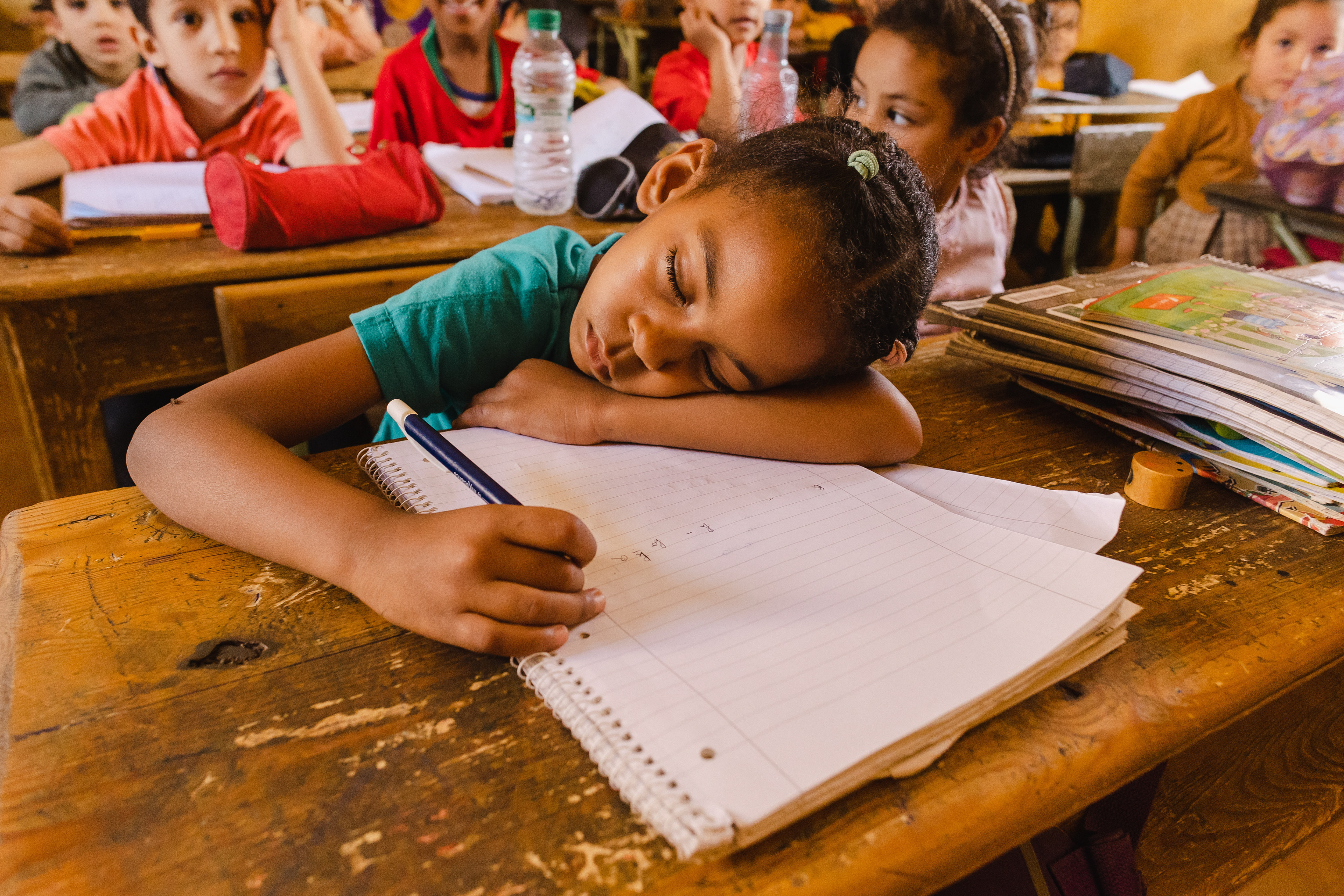
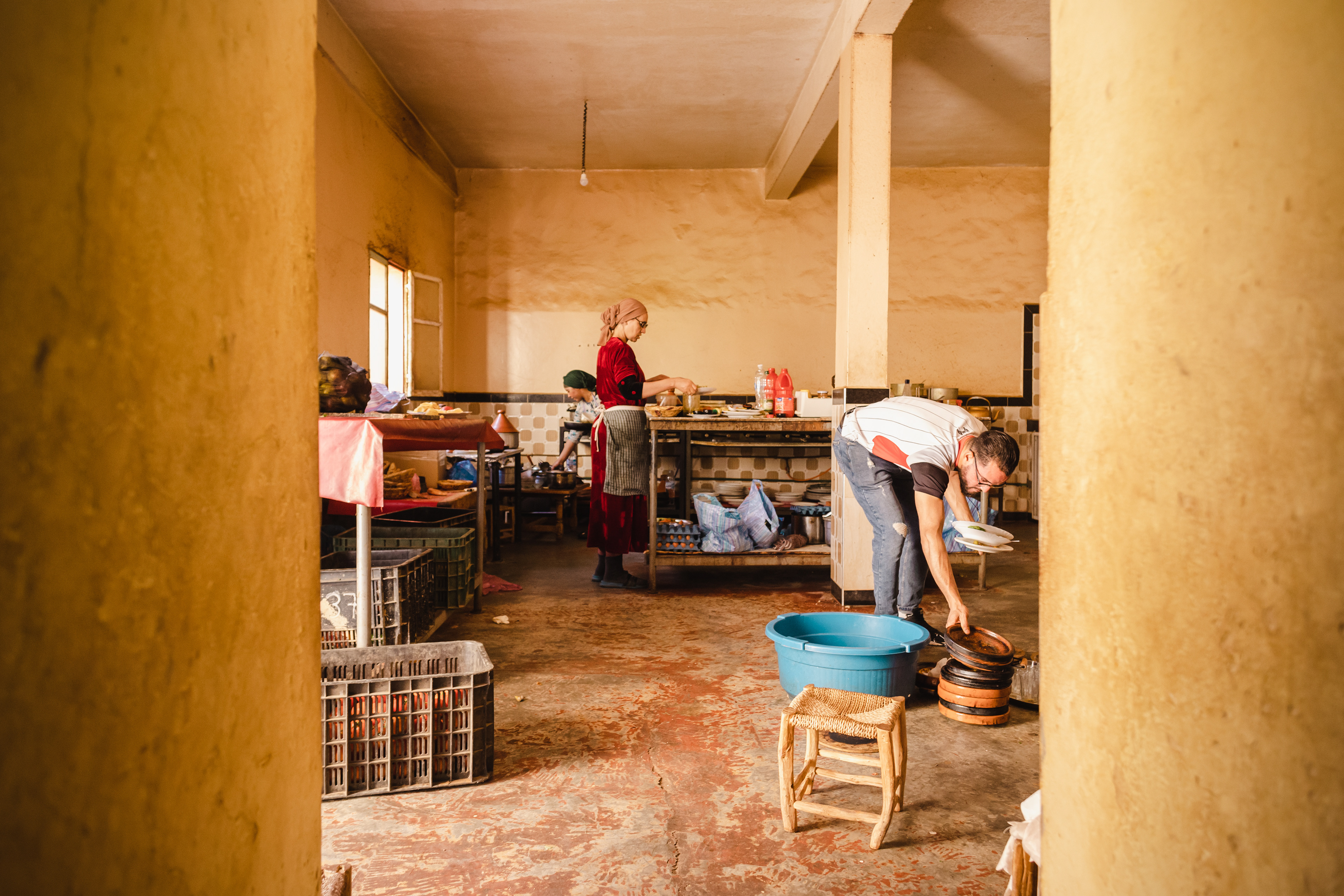
This project approaches the Amazigh community with attention, respect, and dialogue. Rather than seeking exotic or stereotypical imagery, it focuses on everyday gestures, shared spaces, and lived experiences. Women and men continue ancient craft traditions while engaging with modern economies; children learn both Tamazight and Darija in school; elders preserve oral histories; and younger generations reinterpret cultural symbols in a rapidly changing world.
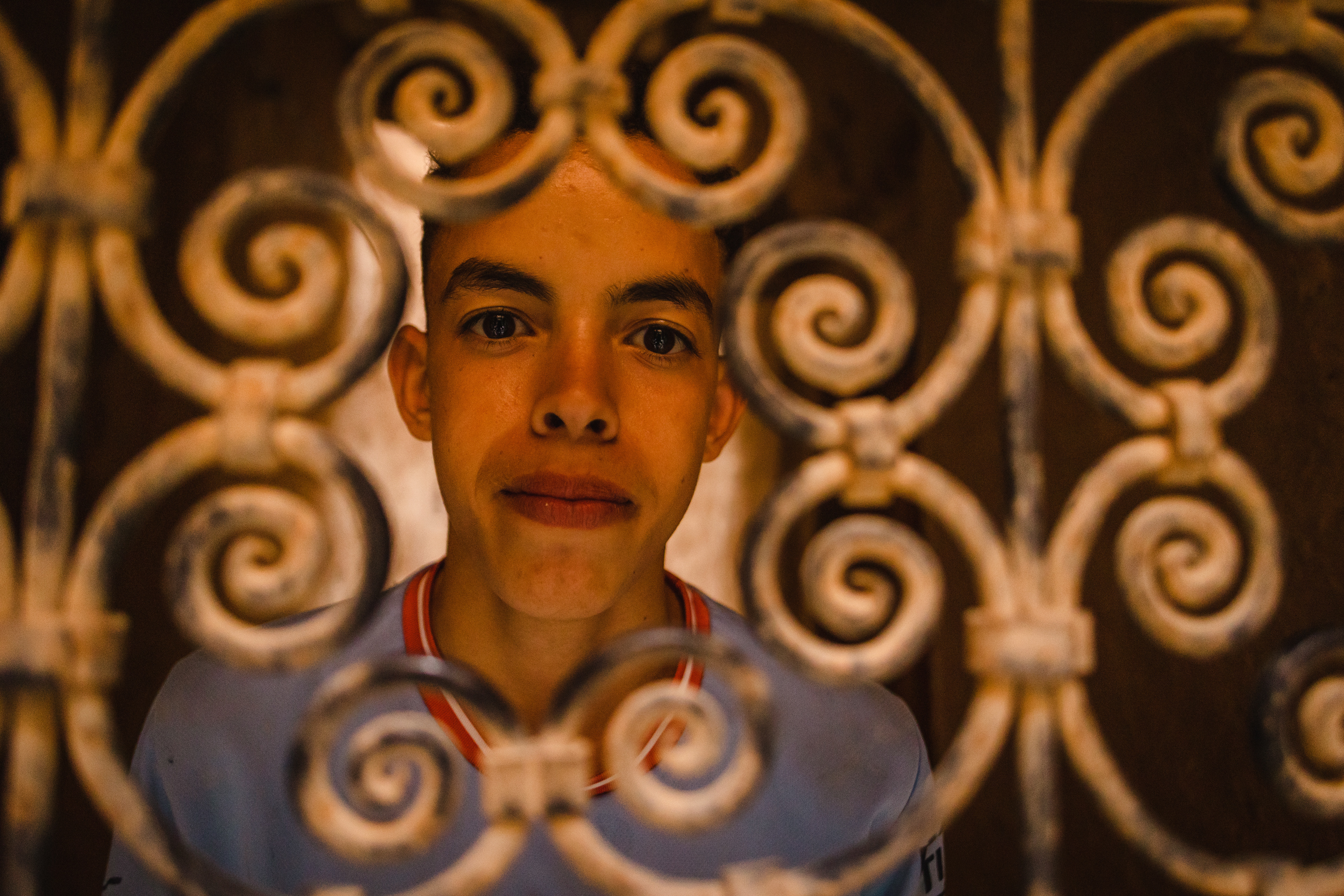
The photographs aim not to speak for the community, but to create space for encounter and reflection. Through landscapes, daily activities, and portraits made with consent and trust, the work seeks to highlight dignity, continuity, and the living presence of Amazigh culture today.