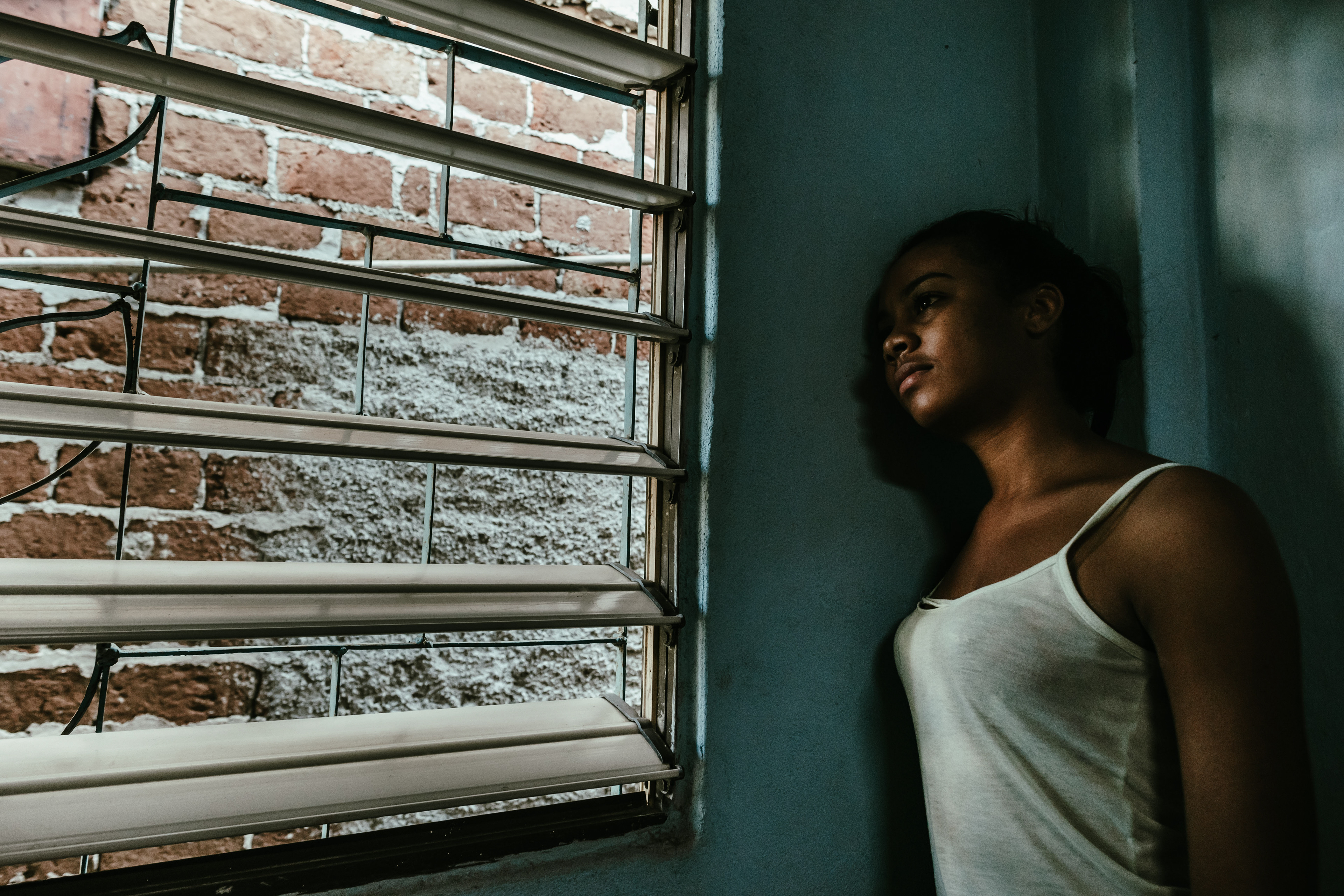
In 2023, Cuba faced a profound economic crisis in the wake of the Covid-19 pandemic — one that reshaped the rhythms and realities of daily life for millions of people.
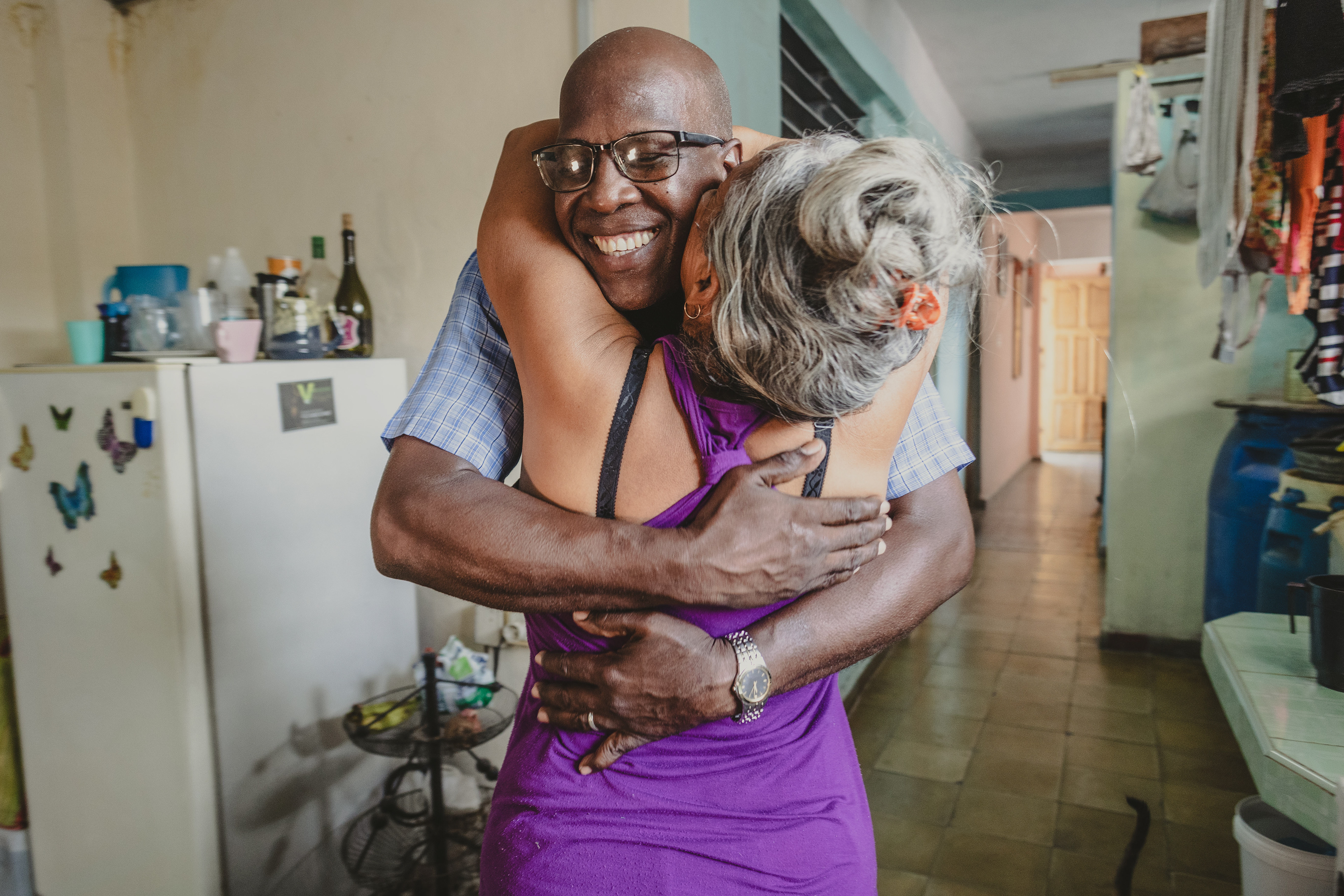
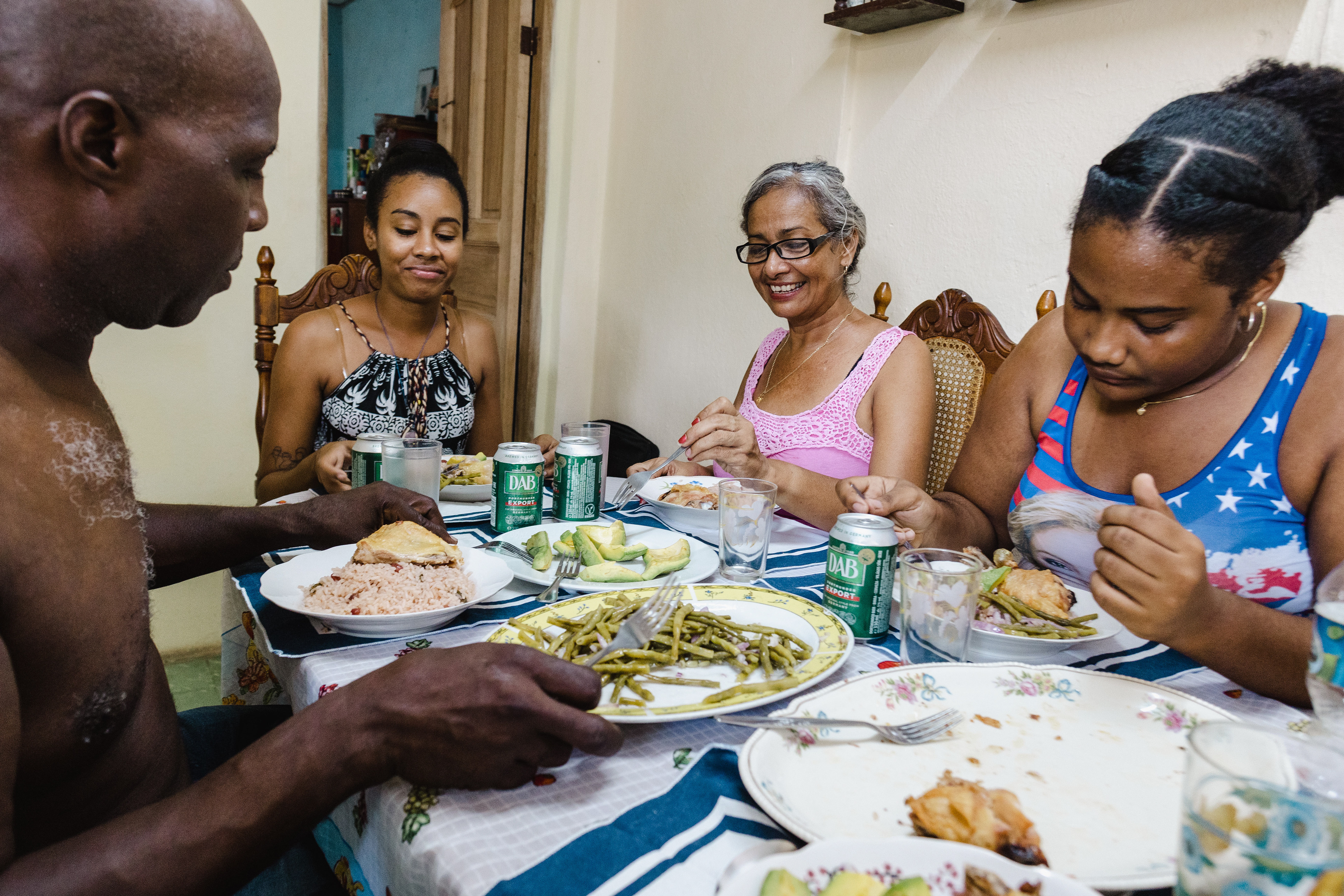
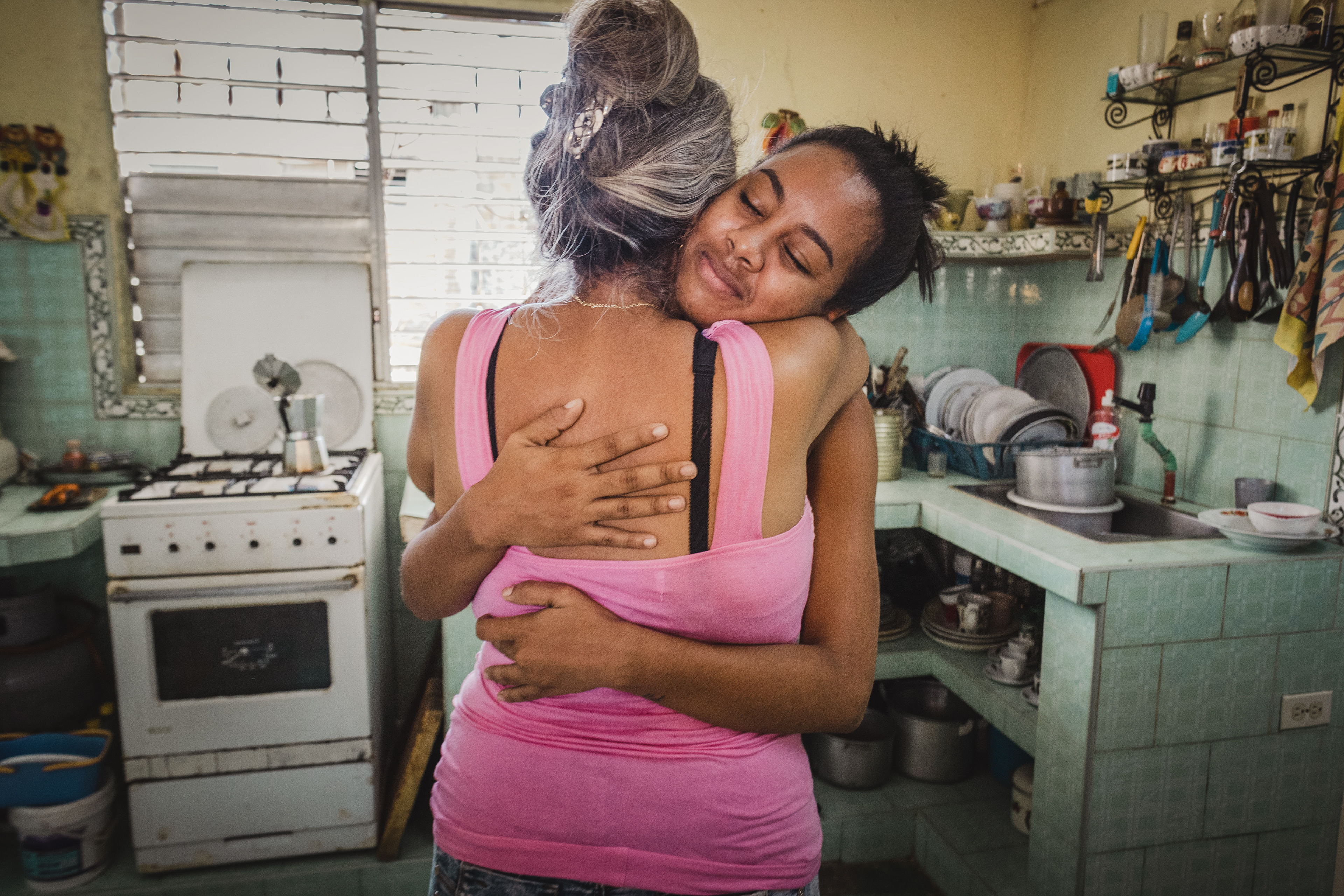
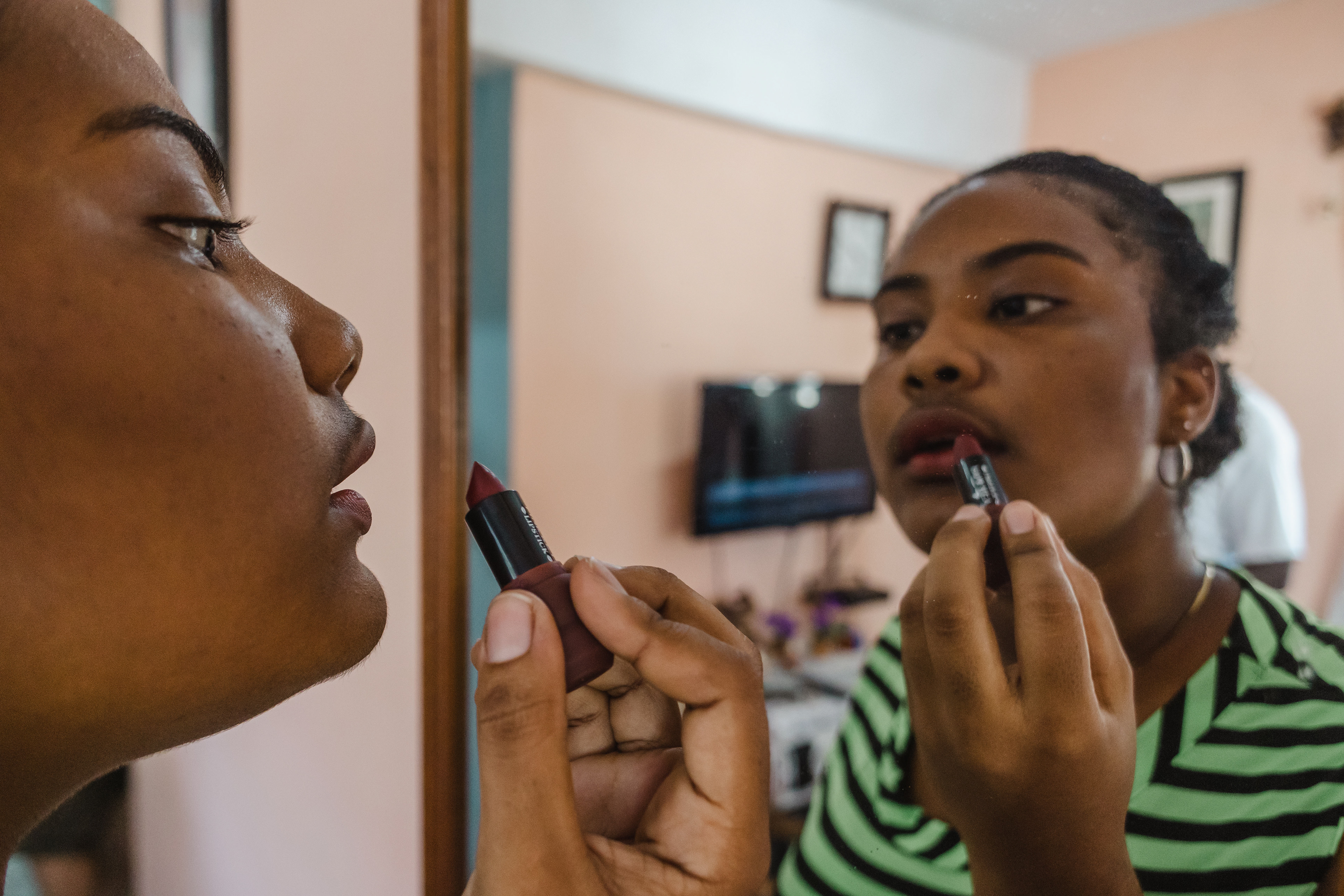
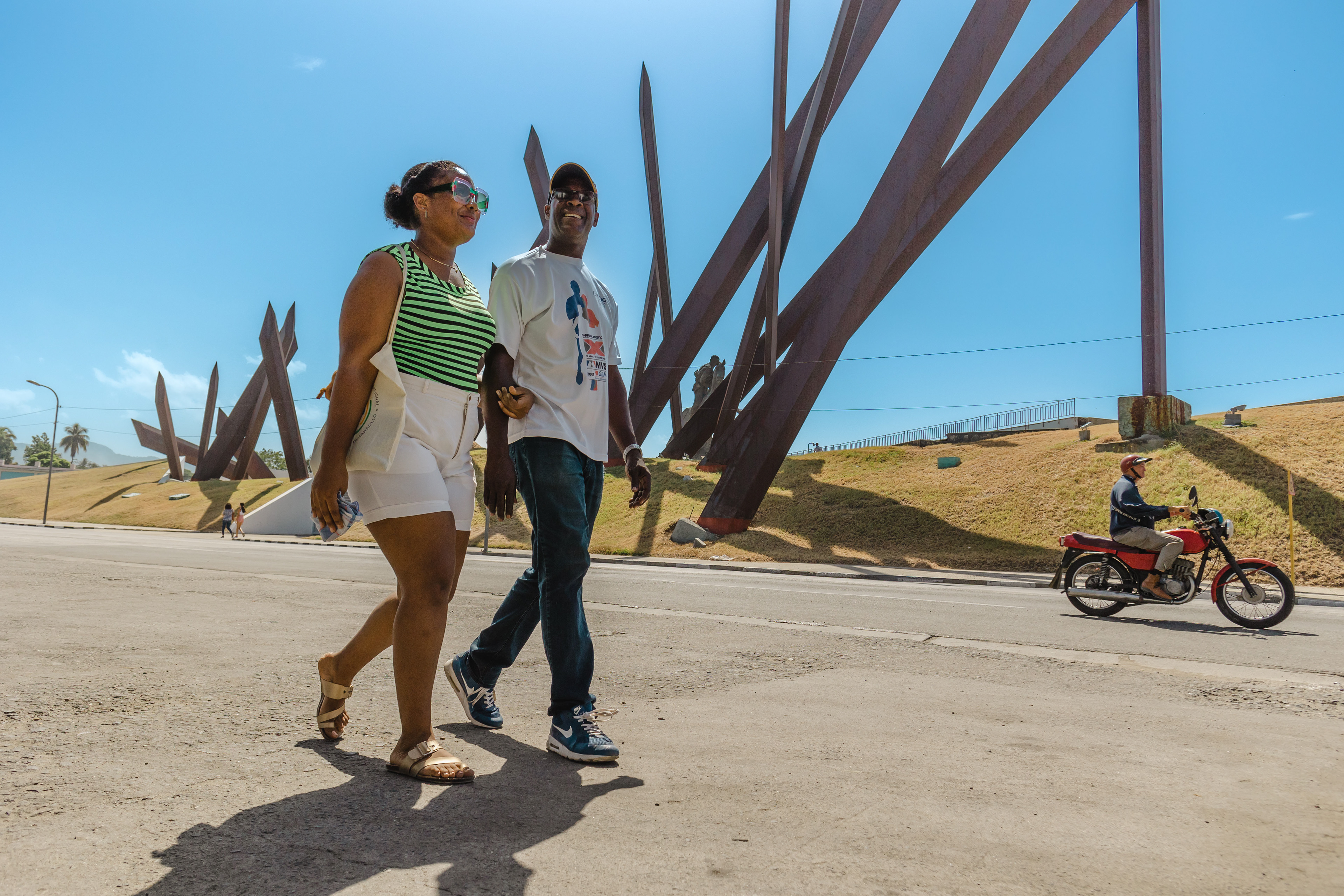
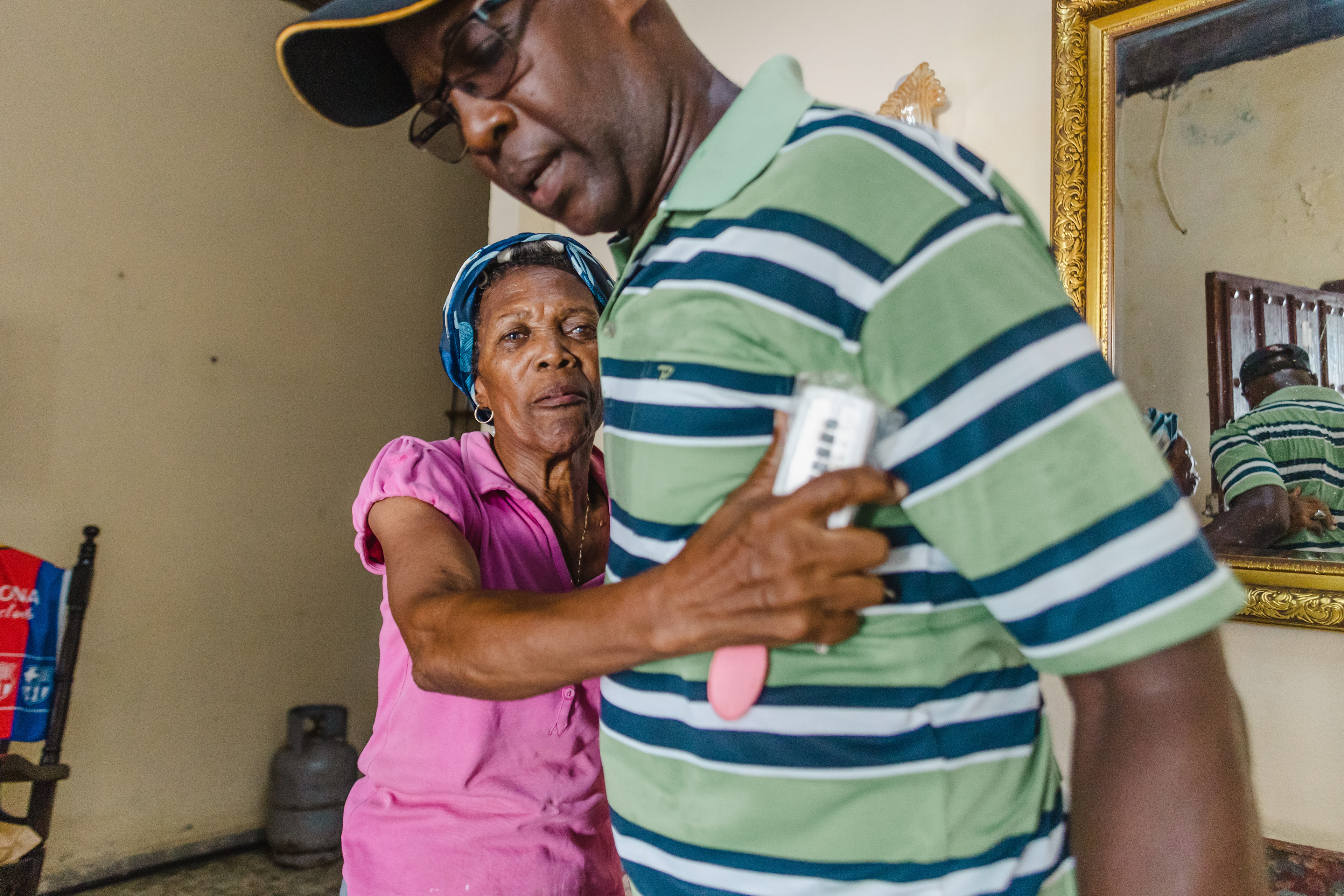
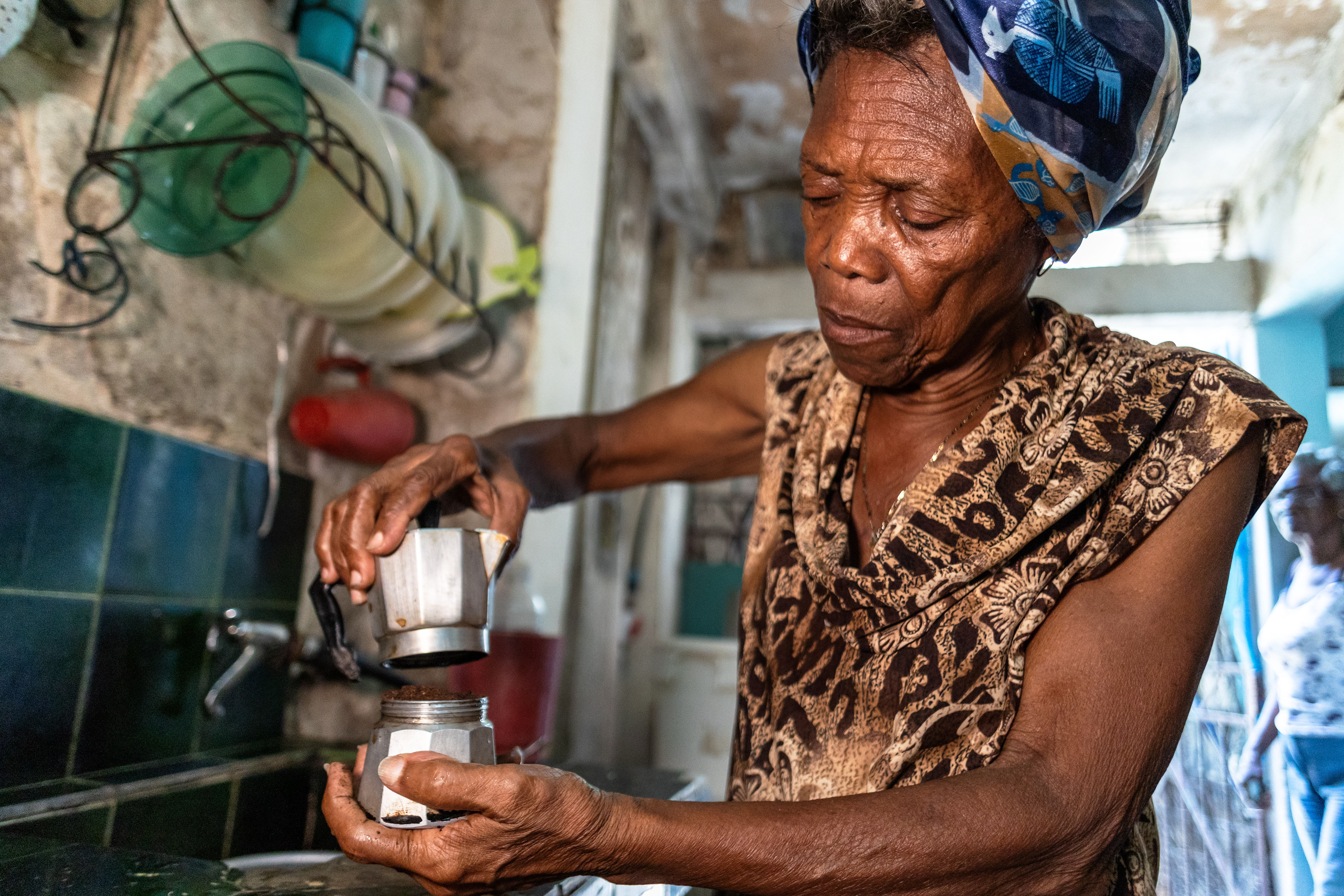
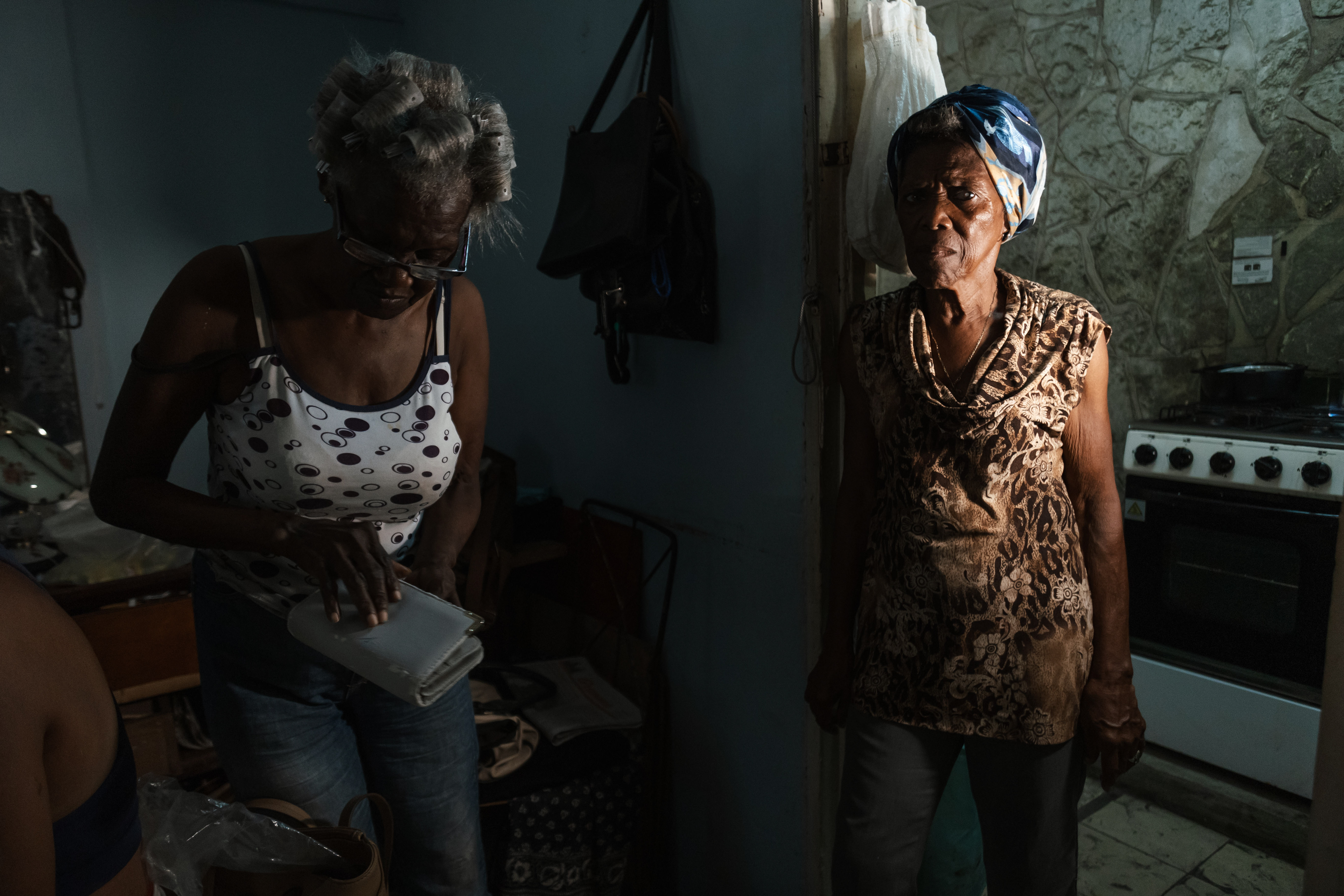
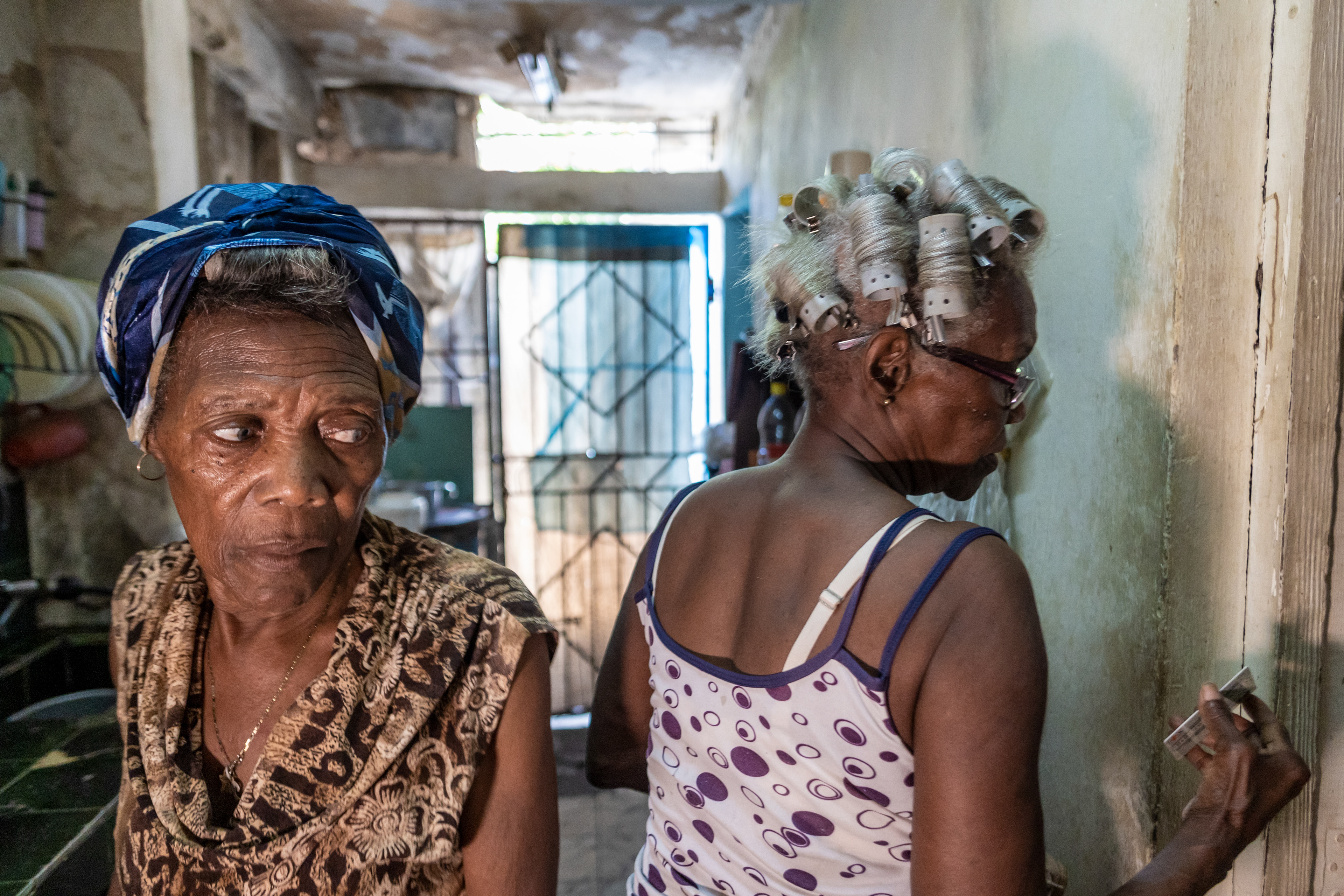
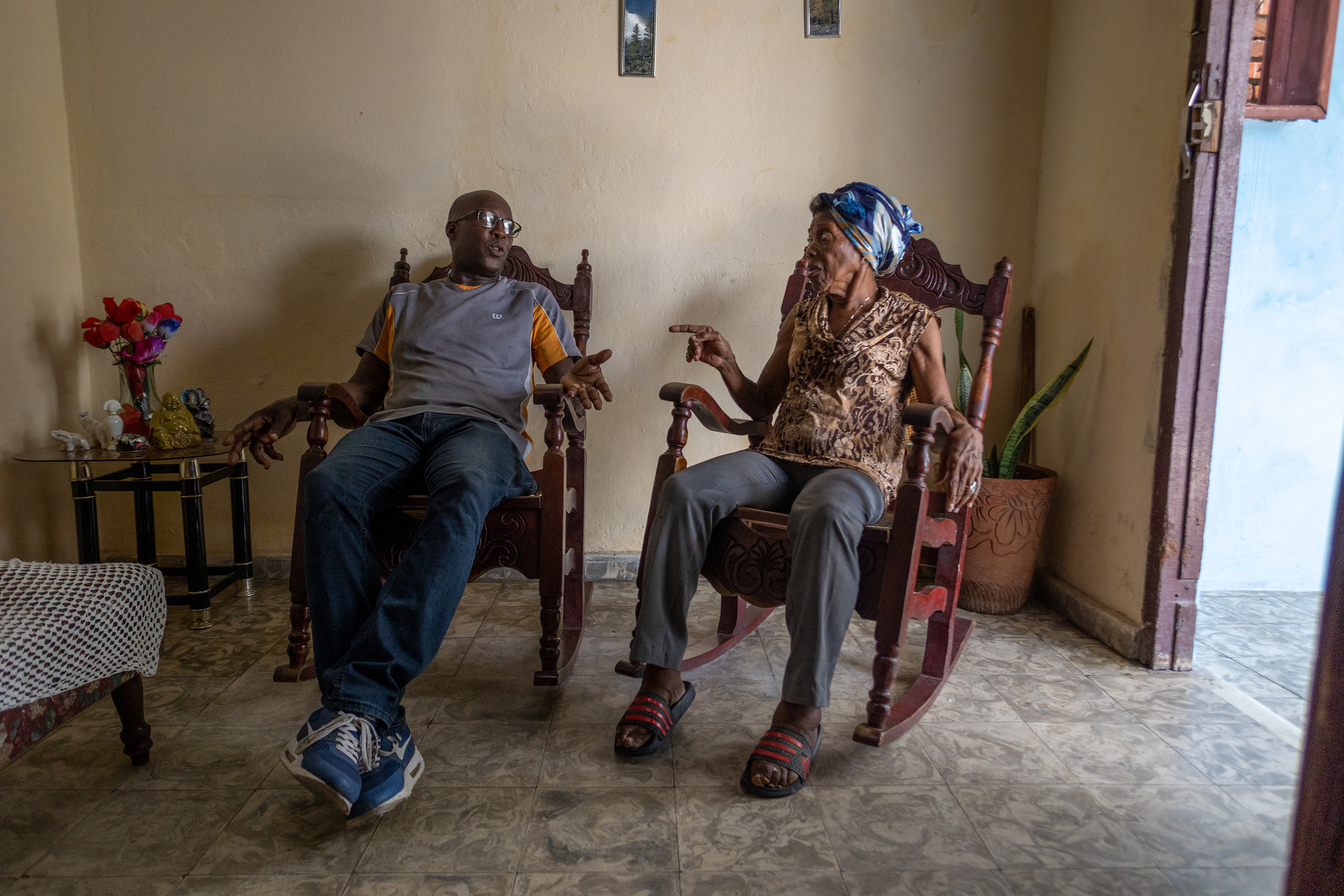
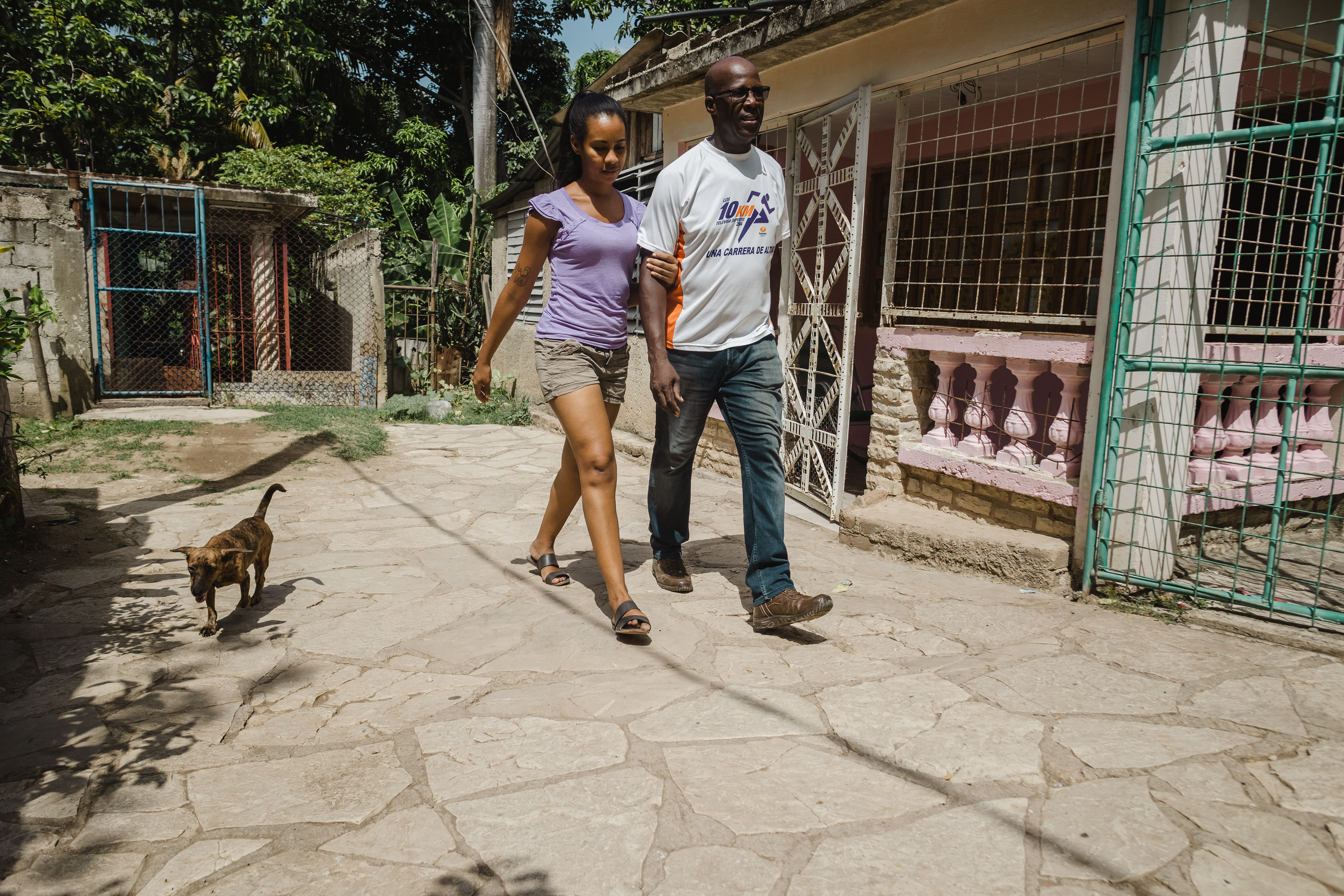
During my stay, I lived alongside a Cuban family, not as an observer, but as a guest in their home. My aim was to bear witness to their resilience and to the deep solidarity that defines them — not despite their hardships, but through them.
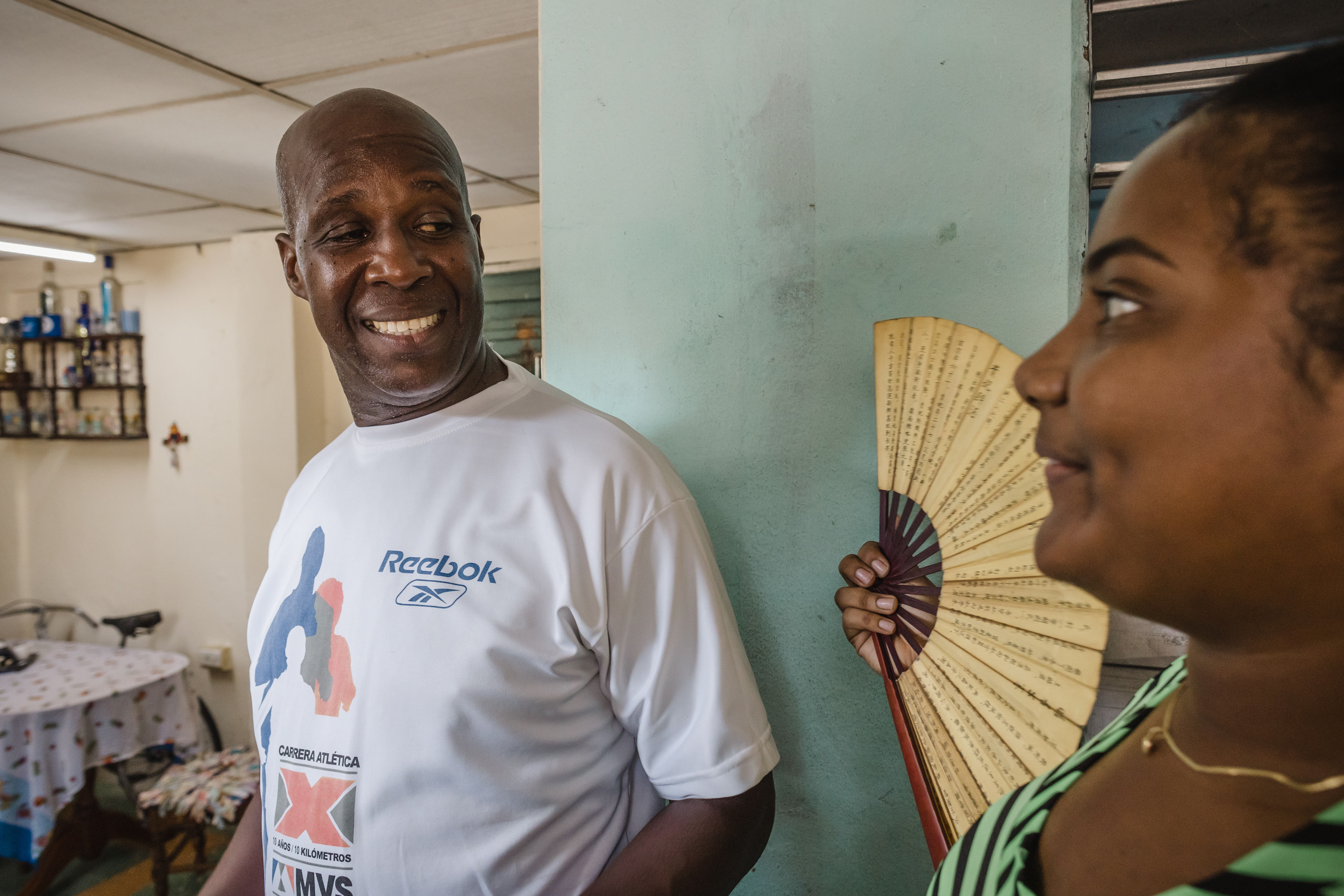
Guillermo, a scientific researcher, earns the equivalent of 35 euros a month. His daughter Beatrice, a practicing physician, earns 10. The soaring cost of basic necessities — bread, eggs, the essentials of survival — forces daily choices that most of the world will never have to make. Yet within these constraints, the family remains unshakeable in its unity. Mutual support is not a gesture here; it is a way of life.
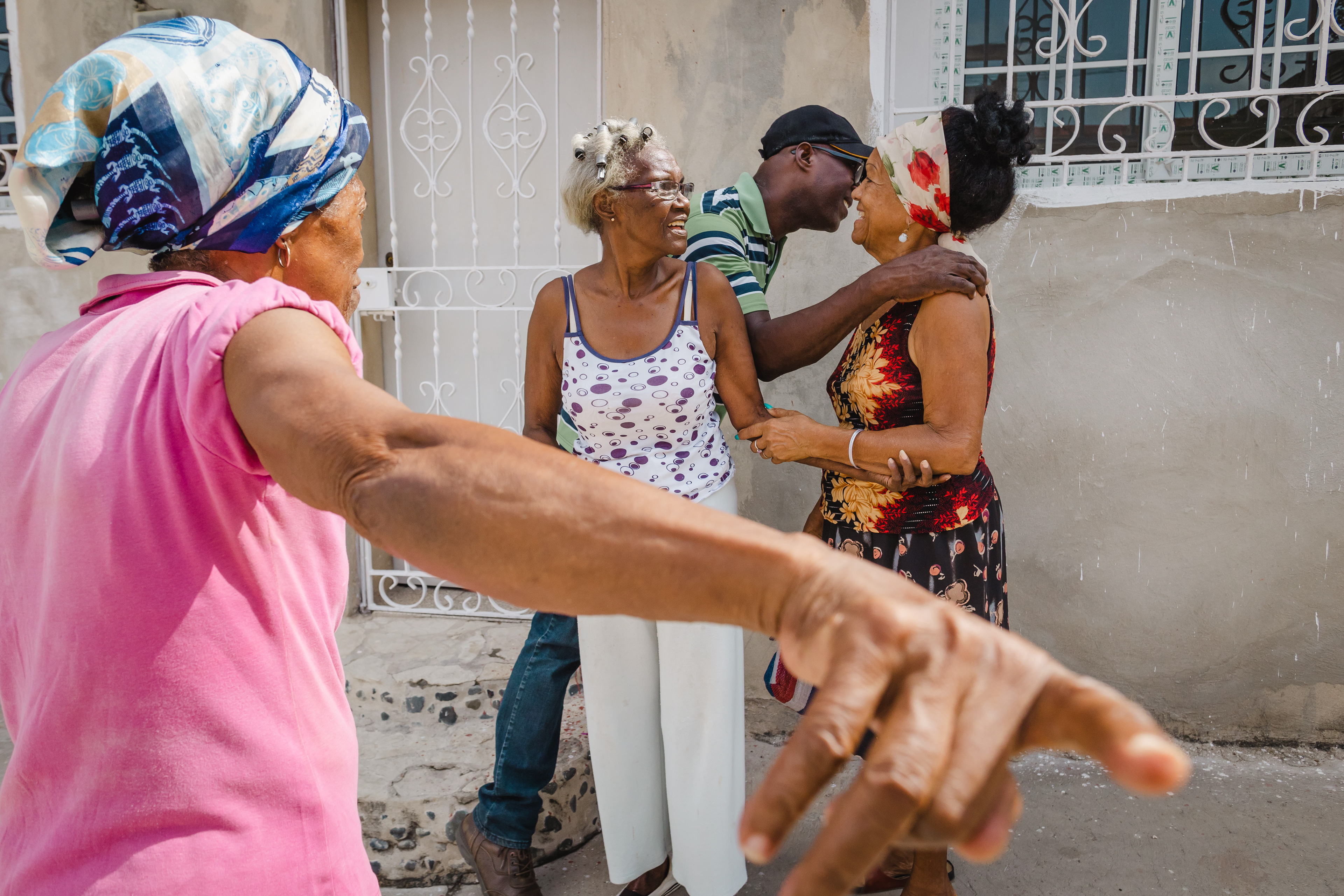
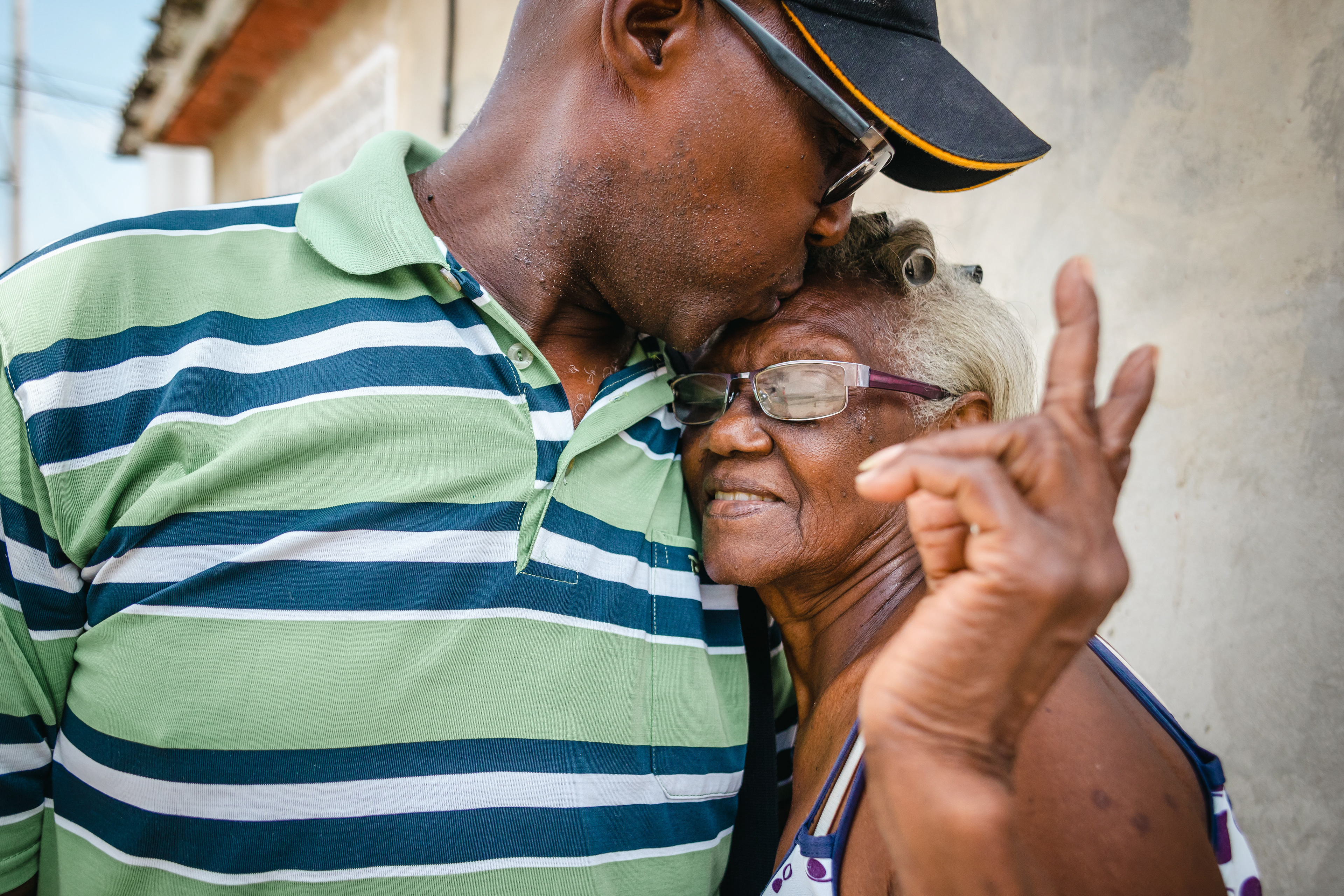
Cuban families carry a strong intergenerational bond: time with grandparents is cherished, friends are welcomed as family, and no table feels complete without an extra chair. The culture breathes through music, history, and an instinctive sense of community.
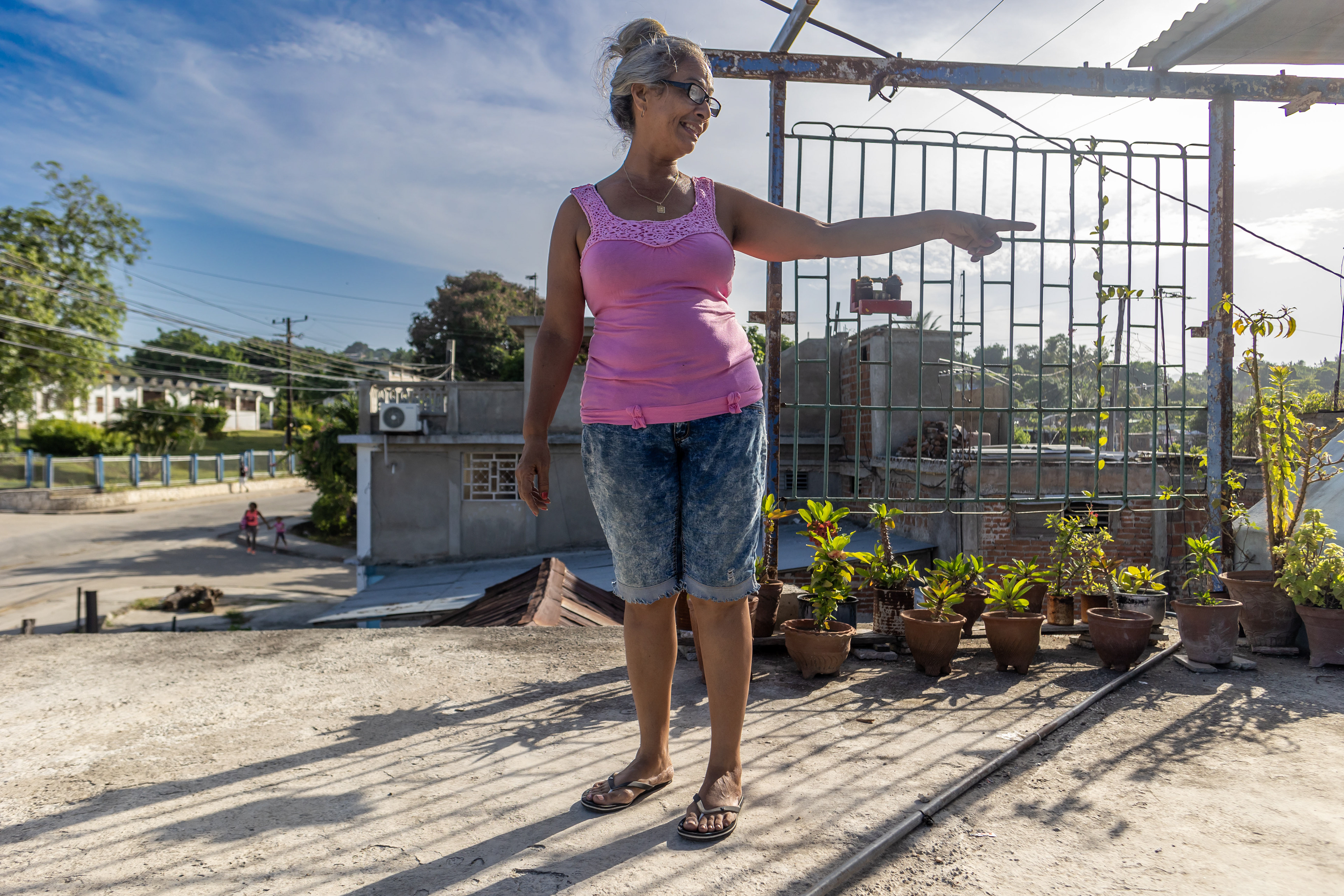
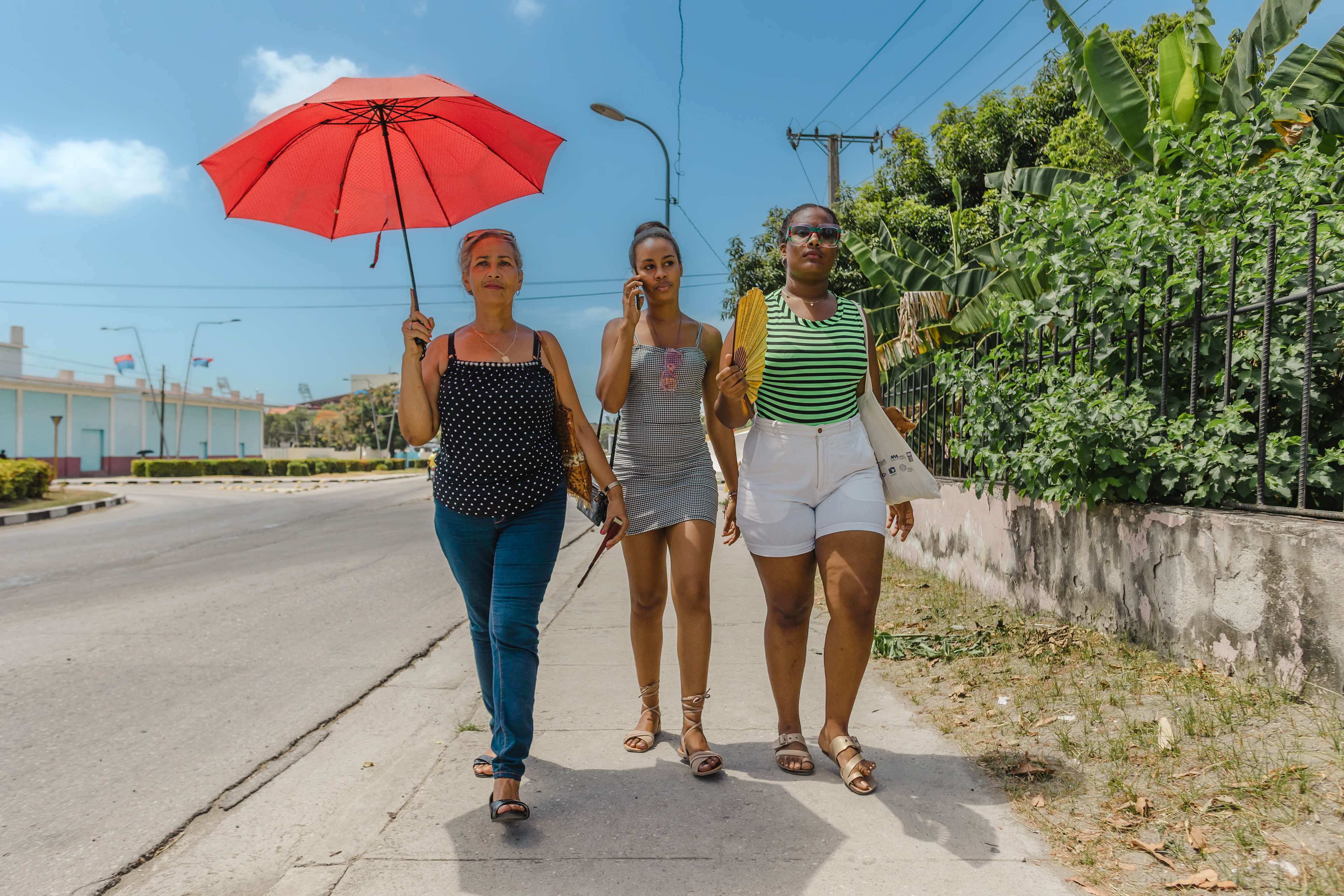
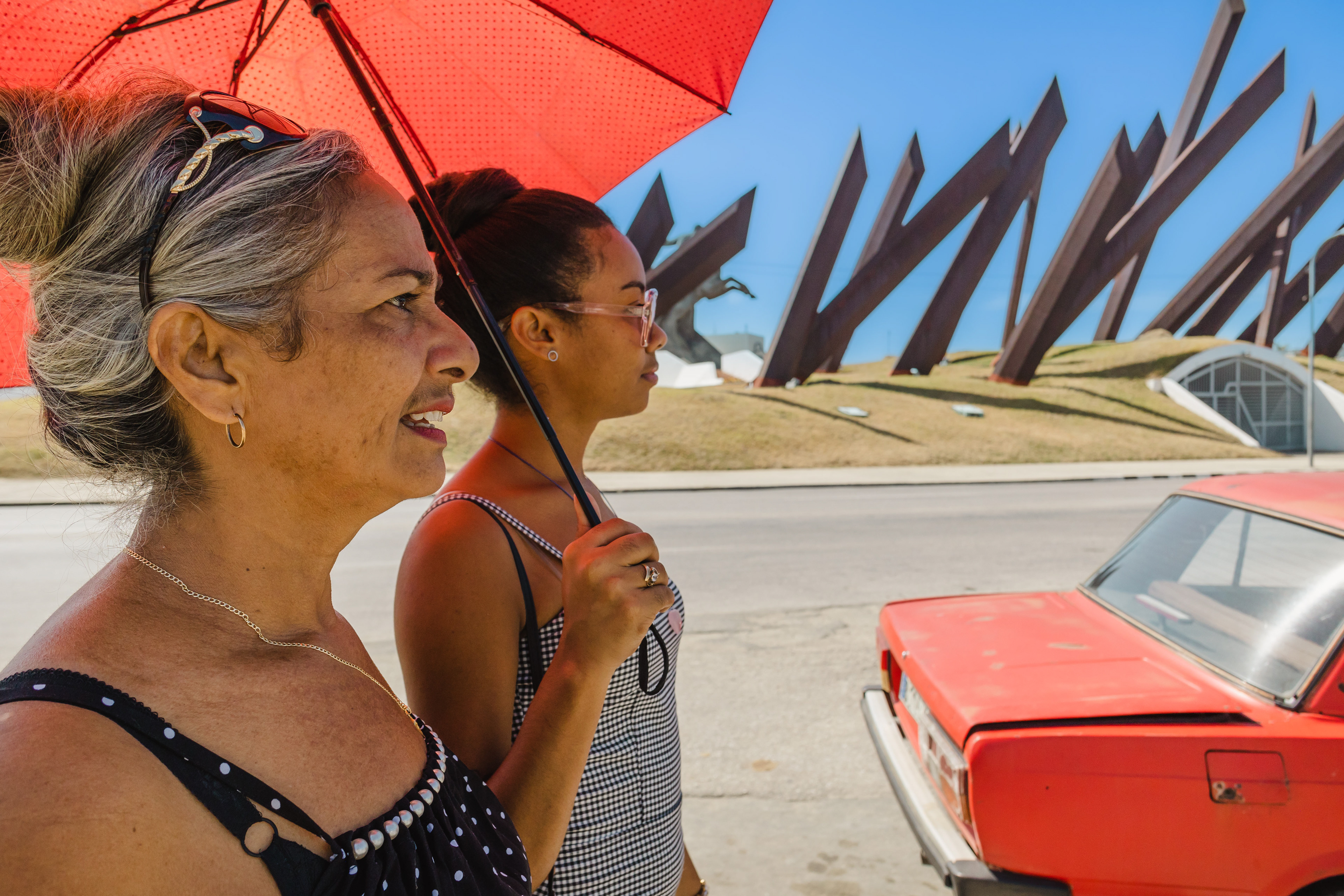
I chose Santiago de Cuba deliberately — a city that lives at a remove from the tourist gaze, where authenticity is not performed but simply lived.
This journey deepened my respect for the Cuban family immeasurably. Through these photographs, I sought not to document poverty, but to honor a joyful, dignified, and profoundly human way of seeing the world — shared generously with me by those who had every reason to close their doors, and chose instead to open them.